 Boat
Boat Junk Yards | Get Price Quote
Facilities for retired hulls and reusable equipment
Getting an old vessel off your hands and hauled to local boat junk yards takes the right gear and a flat price upfront. The crew handles full demolition, loading, and transport so you do not have to worry about a rotting hull taking up room.
Help with an unused vesselTaking a retired hull apart for processing
Arrange a hull dismantling visit by phone or complete our vessel collection request form.
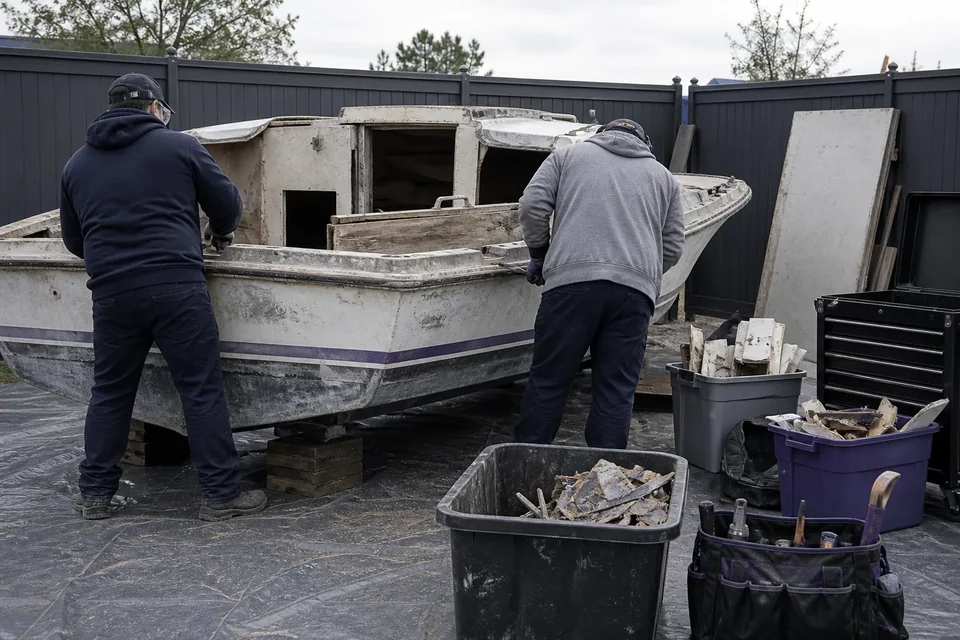
Where unwanted hulls and spare parts are processed
Call Boat Hauler today if you need help relocating an unwanted vessel straight to a scrap location.

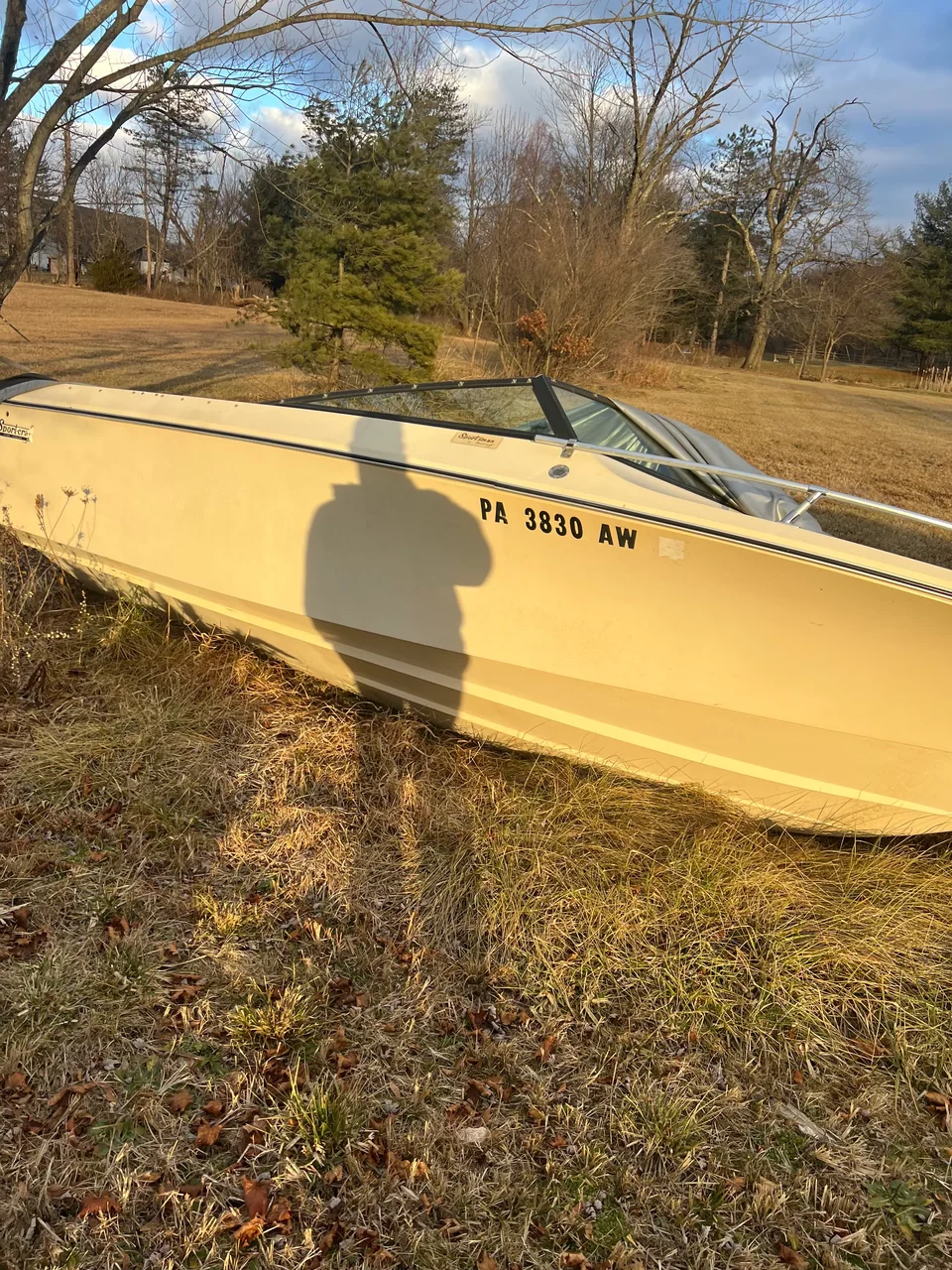
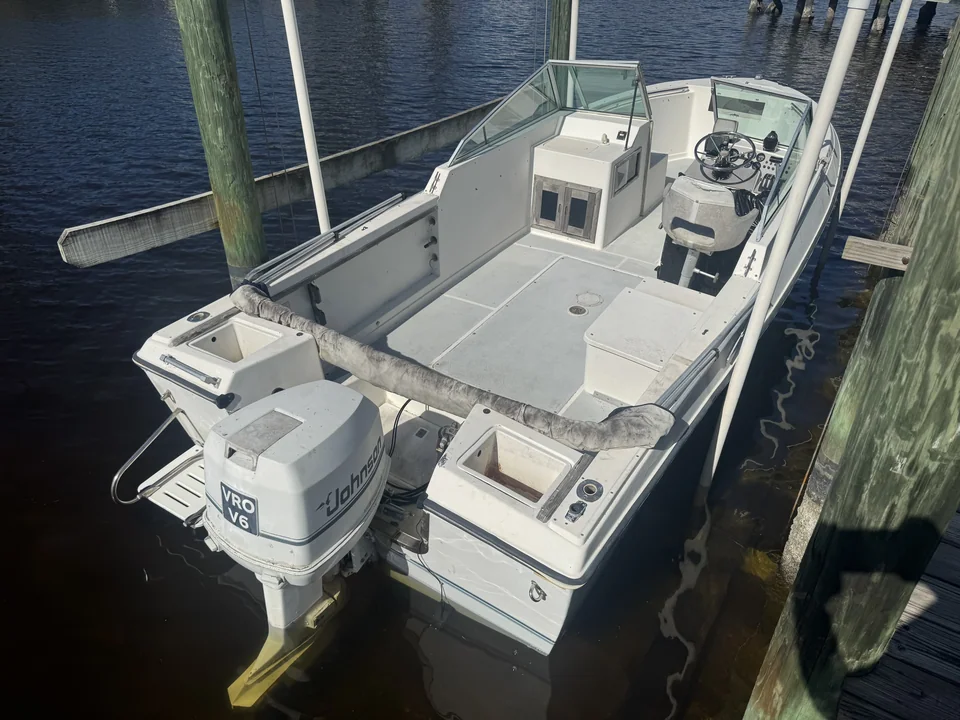
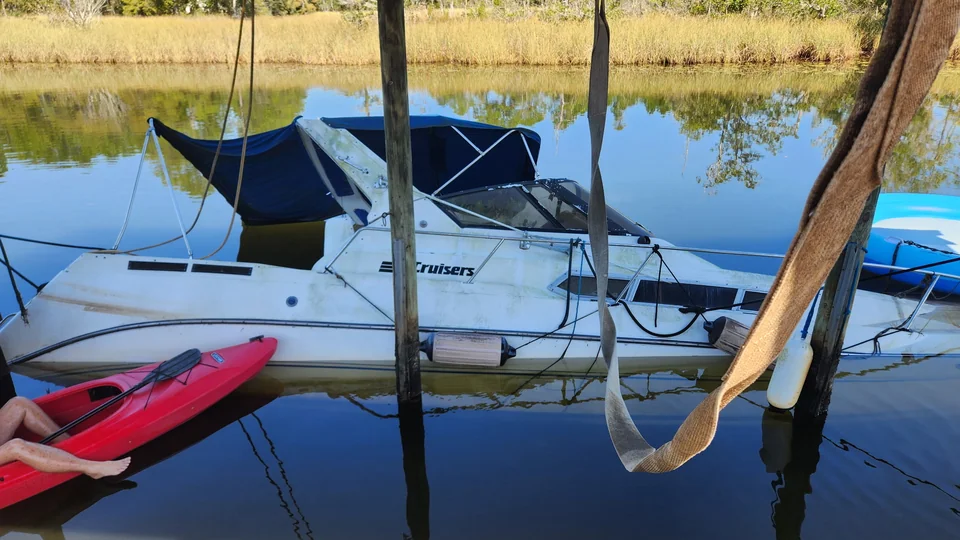

How decommissioning yards handle retired craft
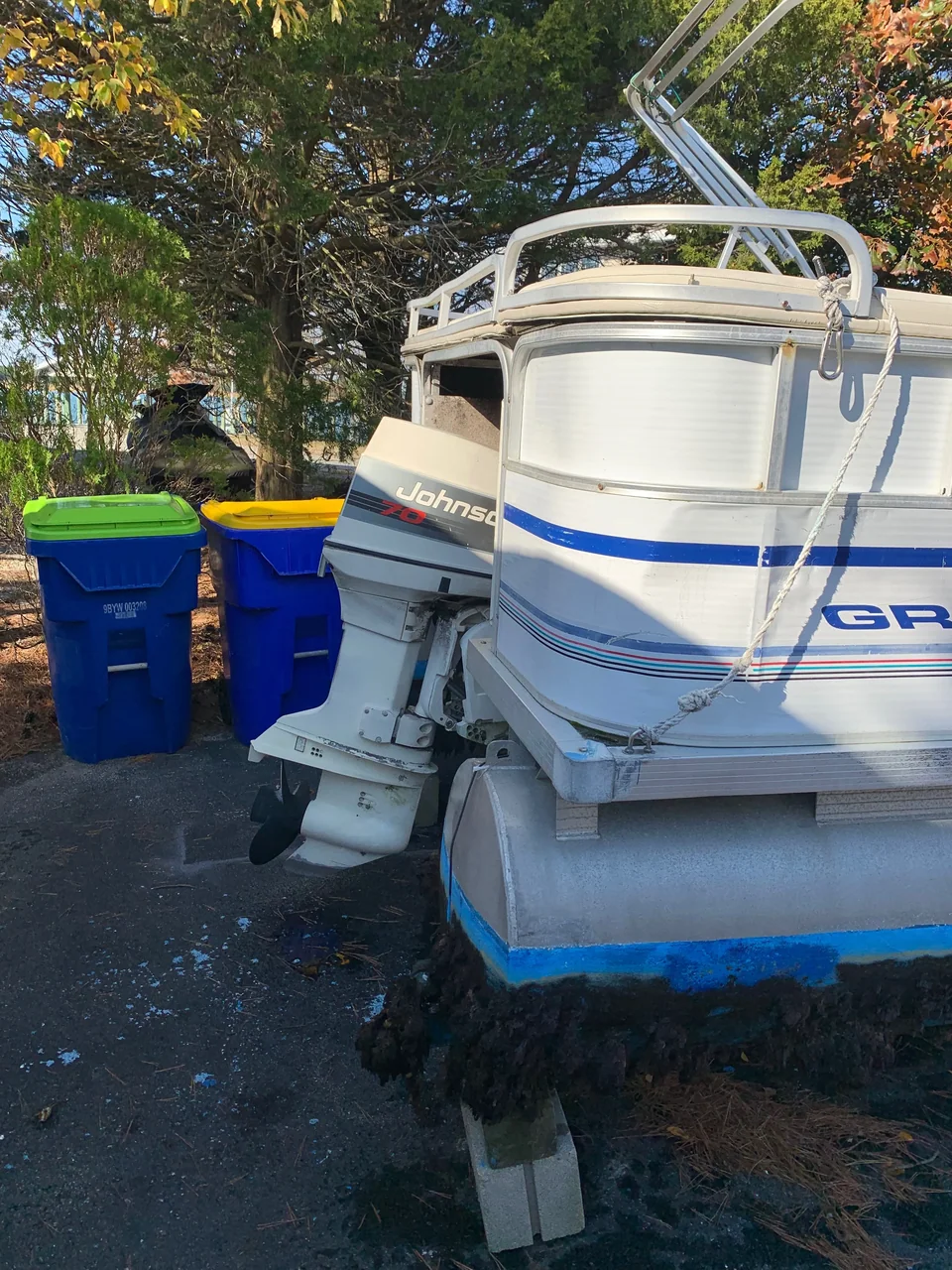
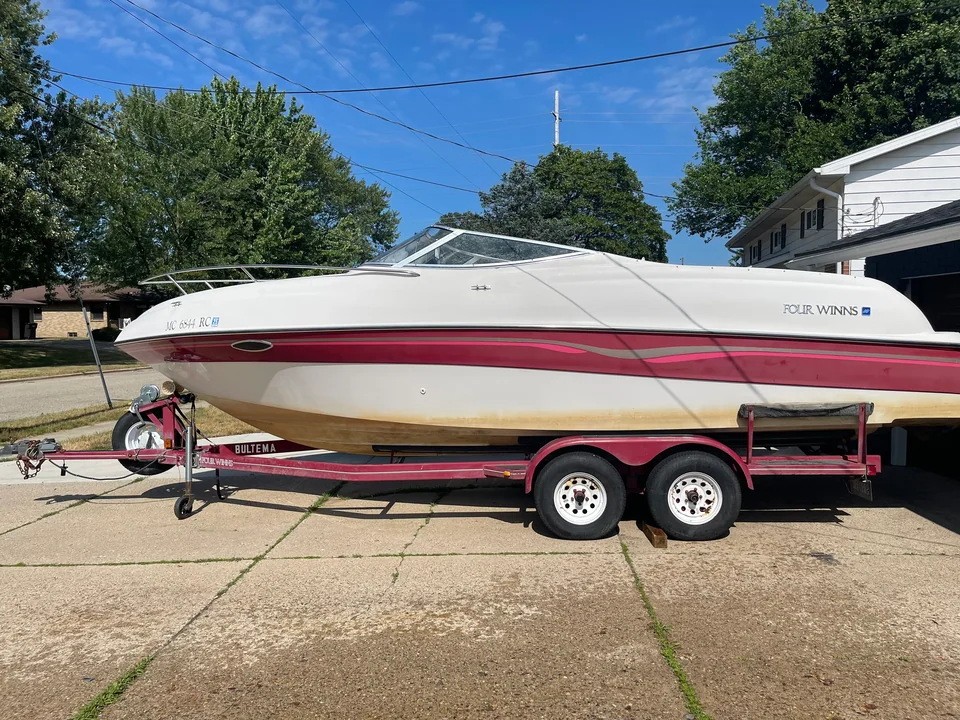
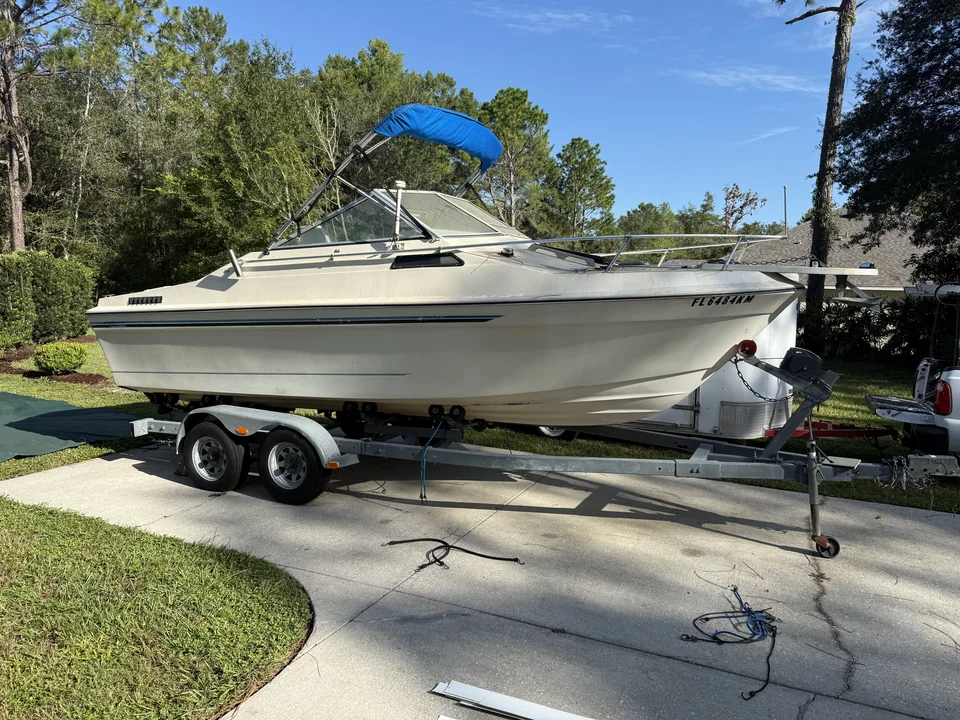
Walking around boat junk yards can feel like taking a stroll through an outdoor naval museum filled with sun-bleached hulls, oxidized metal, and worn hardware. Every faded registration number on those abandoned decks tells a story about old weekend trips, working charters, or long-forgotten fishing trips.
Out on the open water, thousands of vessels run back and forth every single day on work details or pleasure cruises. But no hull stays seaworthy forever, and eventually age, bad weather, or costly hull damage stops them in their tracks. When a hull can no longer float or run safely, its journey usually ends at a salvage lot where it gets broken down for scrap and parts.
Understanding vessel decommissioning facilities
- How a vessel decommissioning yard works
- How a yard separates reusable vessel materials
- Reasons to take a retired hull to a processing yard
- Previously owned vessels and equipment available for reuse
- Preparing a restored vessel for continued use
How a vessel decommissioning yard works
A boat junk yard, sometimes referred to as a boat graveyard, serves as the ultimate resting place for decommissioned, abandoned, or damaged boats. It’s where vessels that are no longer seaworthy or economically viable to repair come to their final stop. Like automobile junkyards, boat junk yards house a variety of watercraft, ranging from small recreational boats to large commercial ships.
A boat junk yard is a specialized facility built to tear down, recycle, and safely process unwanted vessels while staying in line with environmental rules. When a haul truck drops a vessel off at the lot, workers check it over to see what components still hold value. Mechanical parts like outdrives, controls, gauges, and running engines get pulled off to sell as used gear, while the stripped hull and scrap materials get cut up or recycled. Finding pre-owned marine hardware at a salvage yard saves vessel owners a lot of cash compared to paying retail for factory parts. These salvage properties stock parts covering every size vessel from small skiffs up to larger cabin cruisers.
How a yard separates reusable vessel materials
Many of the materials in boats, such as steel, metals, iron, and fiberglass, can be recycled and used in new products. This process is common at boat junk yards. Boat Recycling is an ecologically friendly way to dispose of aged boats.
Recycling vessels at a yard involves either fixing up a solid hull for resale or completely breaking down the frame to separate metals, plastics, and fluids for processor facilities. Mechanics reuse functional salvage components to keep other working vessels running smoothly without high hardware costs. These facilities vary in size and focus across the region. Certain lots handle nothing except cutting up hulls and sorting scrap metal, whereas other locations fix up damaged hulls or run retail counters for used hardware. Some scrap operations handle salvaged marine aluminum and stainless steel right alongside general industrial metals.
Reasons to take a retired hull to a processing yard
Well, there are a few reasons why boat owners might choose to take their precious vessels to a boat junk yard, to name a few
Deciding when a hull is ready for retirement
When an old hull reaches the end of its useful lifespan, sinking more money into constant repairs stops making financial sense for the owner. Instead of letting a rotted hull sit on a trailer taking up driveway space, owners choose to retire the vessel and hand it over to a disposal yard.
Boat’s Beyond Repair
Heavy storms, highway trailering accidents, and years of structural rot can cause serious damage that makes a vessel unsafe or too costly to repair. Sending the wreck to a salvage lot allows workers to strip valuable hardware while safely breaking down what remains.
Upgrade or Downsize
Sailing enthusiasts often decide to buy a bigger vessel or downsize to a simple skiff as their personal needs shift over time. Selling or trading in an older vessel at a salvage facility helps clear out space on the dock or driveway for the next craft.
Looking Out for Mother Nature
Scrapping an old vessel properly keeps hazardous waste out of local waterways, marshes, and soil. Salvage lots stick to strict guidelines when draining and disposing of engine oil, old fuel, hydraulic fluid, and battery acid.
Cash Motivated
Certain salvage operations offer trade credits or cash payouts based on the scrap value and usable hardware attached to the craft. Getting paid for reclaimed metals or mechanical parts gives vessel owners a nice financial return on an otherwise unwanted boat.
Previously owned vessels and equipment available for reuse
For boat enthusiasts seeking budget-friendly options, boat yards present a treasure trove of pre-owned boats and parts. These offerings, often in commendable condition, provide an excellent opportunity for savings on replacements or new sailboats and a variety of boats alike.
Pre-Owned Parts: Marine salvage lots stock a deep inventory of reclaimed hardware pulled directly off retired vessels. You can find working outboard motors, stainless propellers, hydraulic steering units, gauge panels, and wiring harnesses at budget prices. Yard staff can help you locate the exact piece you need and explain how to install it correctly.
Secondhand Boats: You can also find used vessels parked at salvage lots priced far lower than anything on a dealership showroom floor. While many of these hulls came in with minor storm damage or cosmetic issues, yards often fix them up enough to put them back on the water safely. Smart buyers inspect every inch of these vessels first, but they remain a great option if you want to get out on the water on a tight budget.
Before handing over any cash, take time to check over every component or hull to verify it fits your project goals. Some salvage yards even throw in short warranties on used parts to give you extra peace of mind.
At the end of the day, marine salvage lots give boaters an affordable path to source spare hardware and budget-friendly hulls without draining their savings.
Preparing a restored vessel for continued use
Ensuring the safety and functionality of repurposed boats hinges on meticulous repair and maintenance procedures. These vessels often bear extensive damage, ranging from hull issues to engine and electrical system malfunctions. Therefore, entrusting the restoration to a proficient and experienced boat repair specialist is paramount.
Fixing up a salvaged vessel usually requires extensive repair work before you can safely put it back in the water. A certified marine mechanic should inspect the entire craft to evaluate structural integrity and map out repairs for the drivetrain, mechanical systems, and electrical lines.
Once the main repair work is complete, staying on top of ongoing maintenance keeps the vessel reliable and safe. Sticking to regular oil changes, lower unit service, and seasonal hull inspections prevents minor wear from turning into major mechanical failures later on.
Keep in mind that certain types of severe structural damage cannot be completely undone. If a fiberglass hull suffers severe delamination or heavy stringer rot, the focus shifts to making it structurally safe rather than restoring it to factory condition.
Working with a skilled marine mechanic gives you the best chance of turning a salvaged hull into a dependable craft. With proper maintenance and attention to detail, a repurposed vessel will give you plenty of reliable years out on the water.
Explore the practical steps in vessel clearance
- From the first request to the cleared site
- Fast Vessel collection
- When vessel collection becomes the practical next step
- Material recovery and reuse for retired vessels
- Boat Removal: States, Cities and Areas We Serve
- How vessel clearance differs from household waste pickup
- Arrange a crew for vessel collection
Ask for a project-specific pickup estimate
Connect with the Boat Hauler team
Email Us Directly: boathaulerllc@gmail.com
Call us today to get your boat removal on the schedule.
Get on the Schedule Online
Request Pickup OnlineFind a region for your vessel pickup
Check our locations list to see where our crew handles boat removal along the coast.
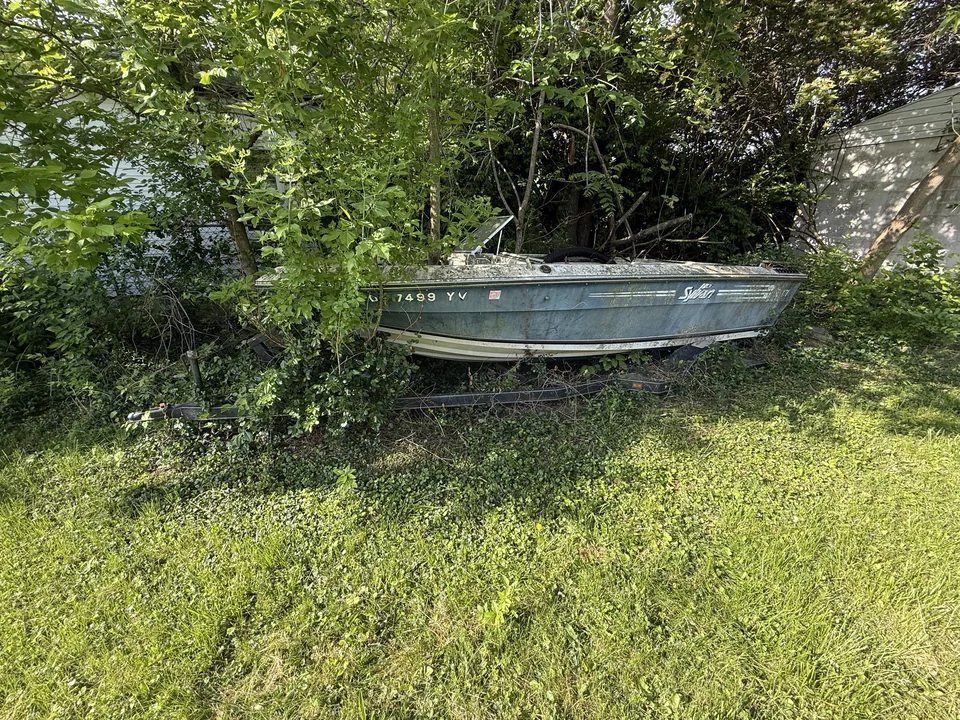


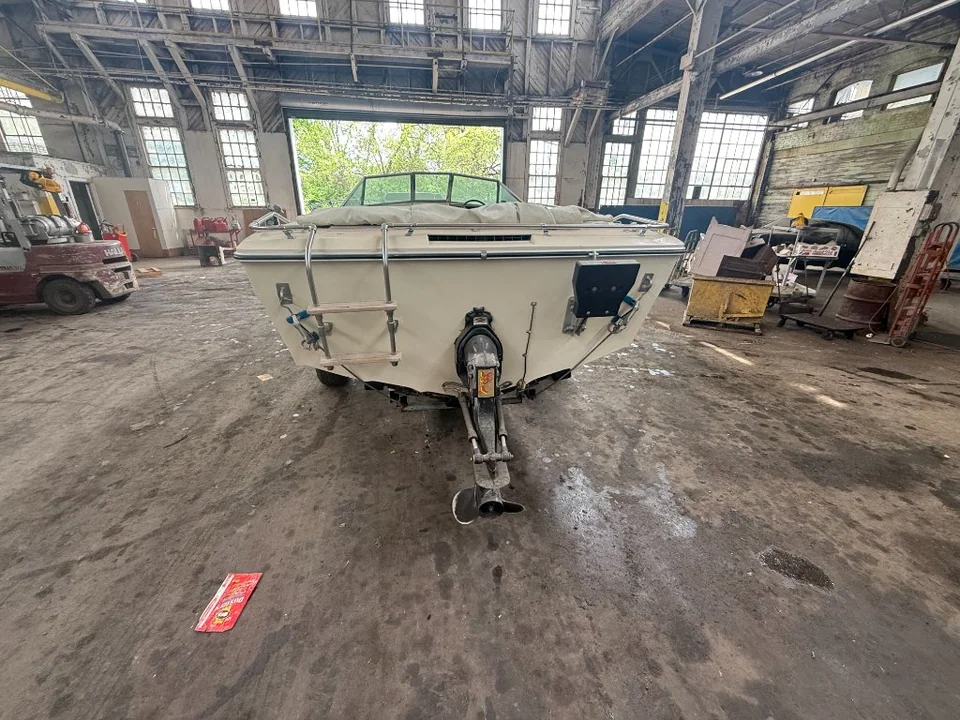
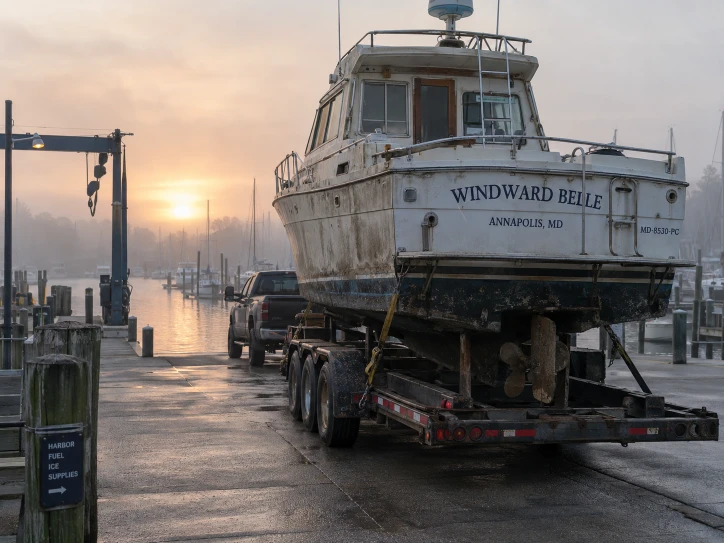
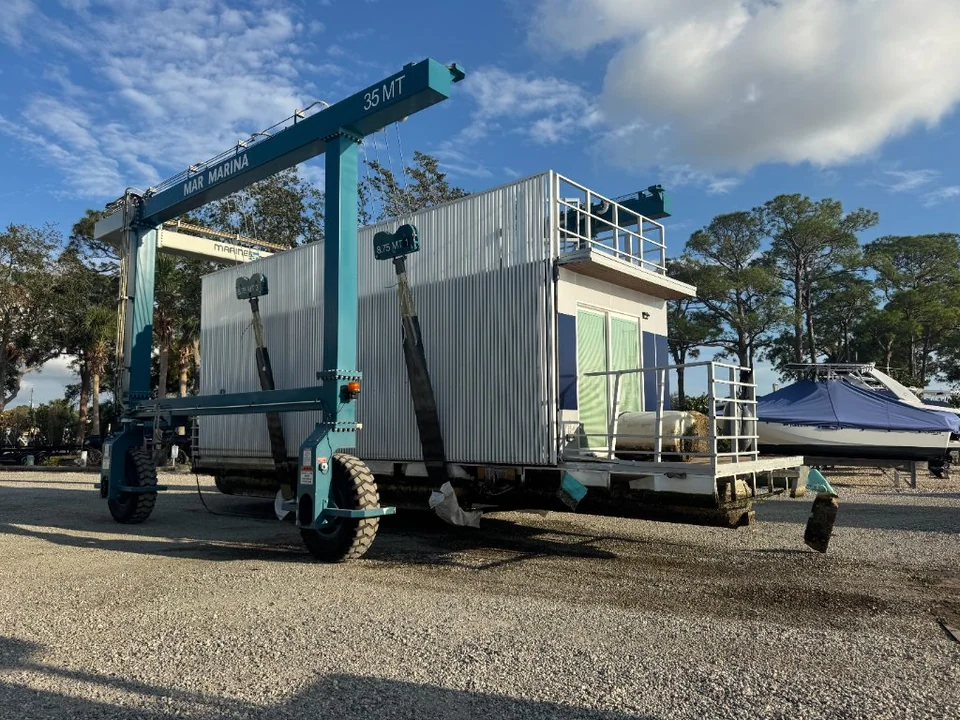
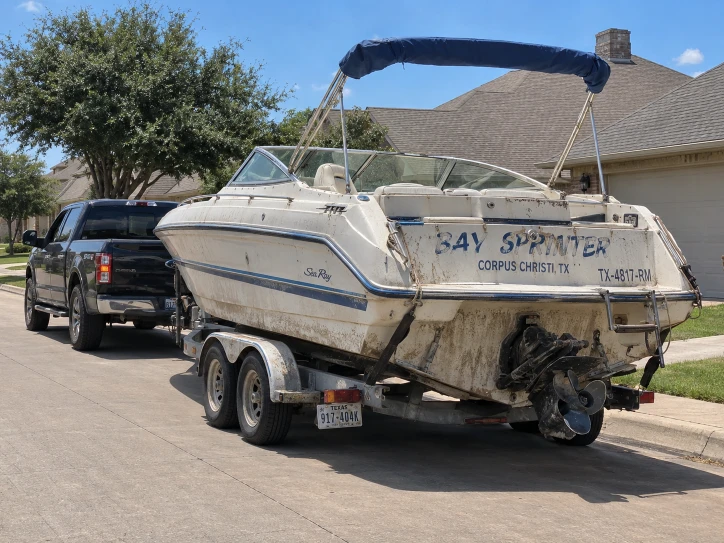

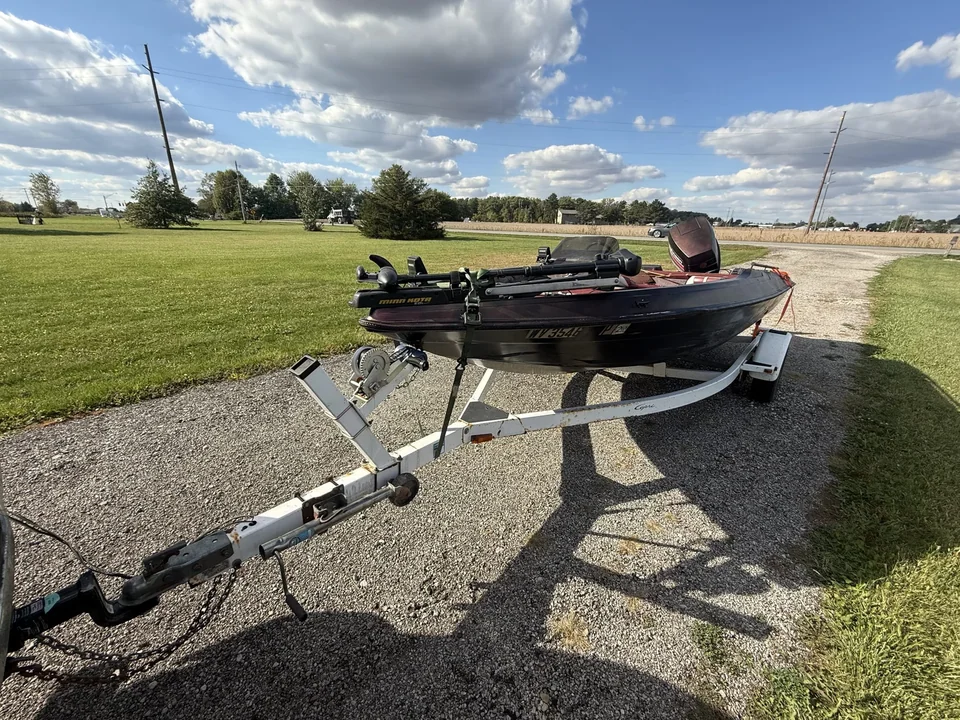


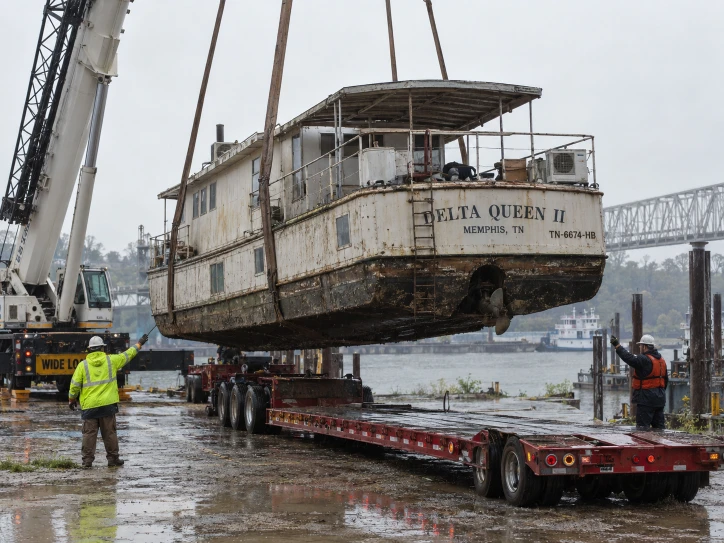

Boats and handling equipment in pictures
Check out our Gallery of Junk Boats, Disposed, Salvaged & Recycled to see our past boat removal work.
Detroit, Michigan hull dismantling estimatesDetroit, Michigan Boat RemovalVessel collection support in Danville, CaliforniaDanville, California Boat RemovalVessel recovery in Discovery Bay, CaliforniaDiscovery Bay, California Boat Removal