 Boat
BoatGet help arranging a time-sensitive boat pickup
Discuss the earliest practical collection date
Need asap boat removal for a vessel sitting on a rusted trailer or sunk at a private dock? Boat Hauler handles complete haul-outs, water transport, and total site clearance for sailboats, catamarans, yachts, cabin cruisers, and open motorboats. Call the crew to get a clear, fixed price quote before anyone touches your vessel, whether it sits in a backyard or out in the bay.
Request an urgent collection estimateWhat affects the time needed for a vessel pickup?
Boat removal usually takes three to five days from start to finish, though emergency jobs often get dispatched the same day or the next morning. When a vessel is taking on water, hanging onto a dock line by a thread, or running a bilge pump on its last leg, the crew jumps it to the front of the line.

Examples of craft that can be assessed for clearance
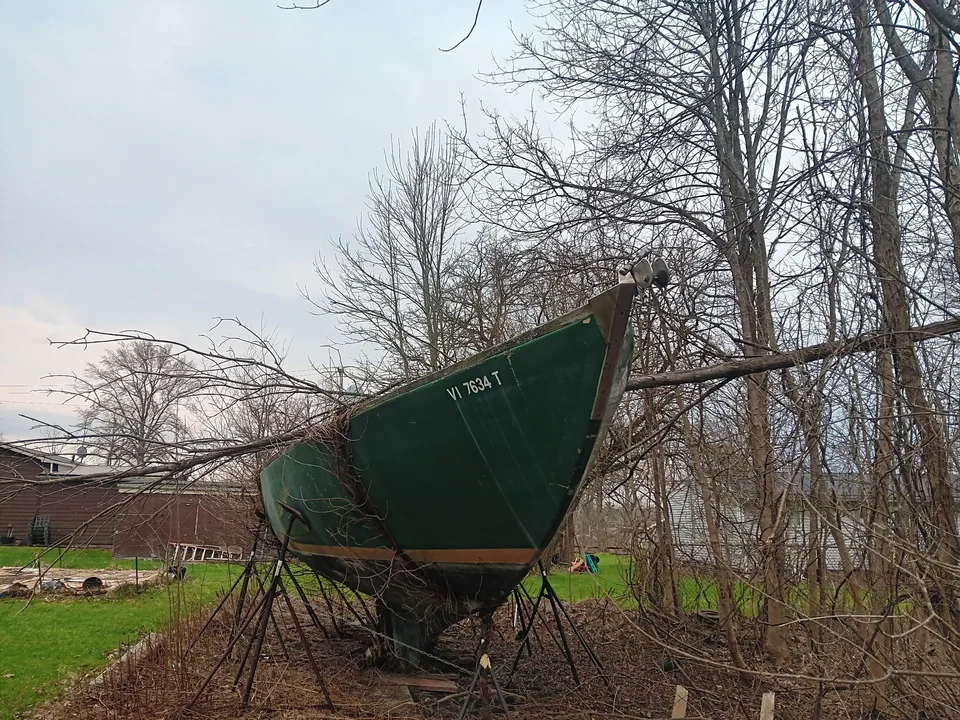
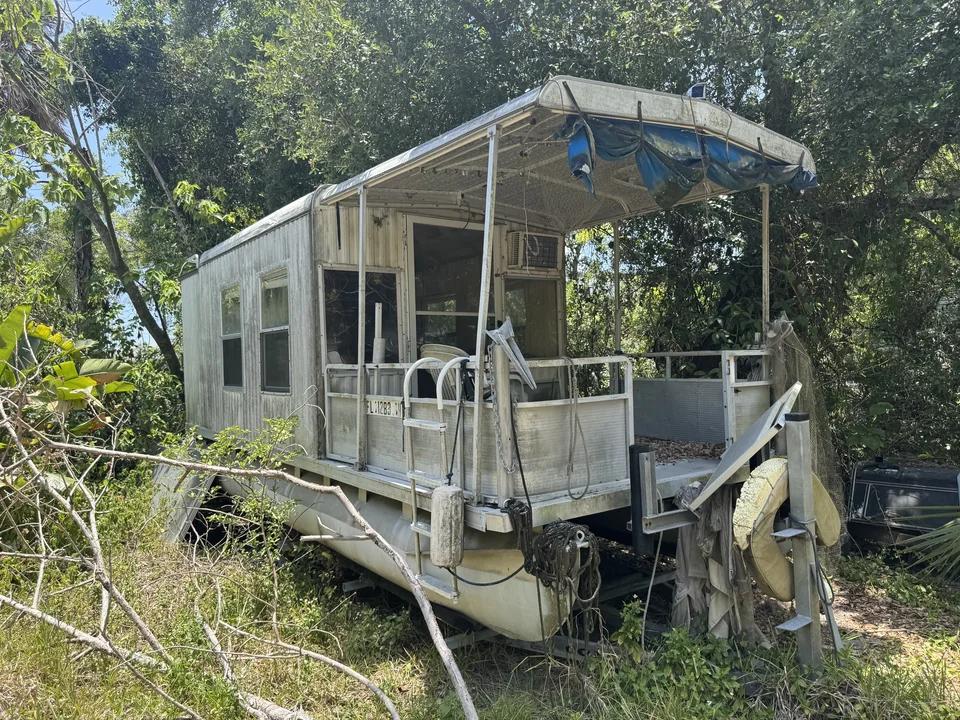
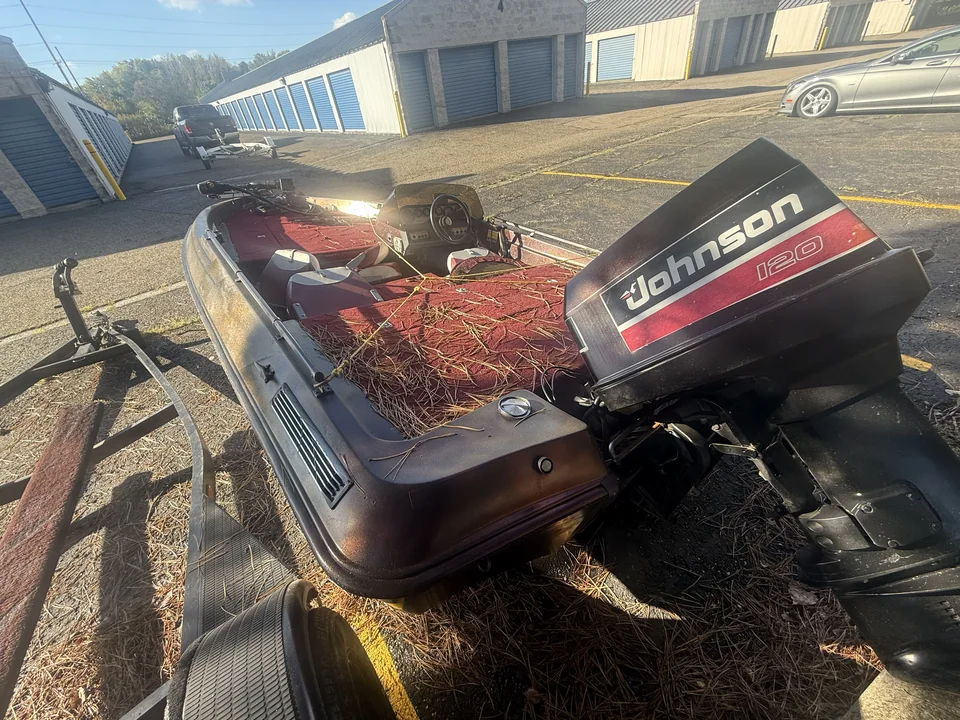
The crew hauls cabin cruisers, cuddy cabins, yachts, any size sailboat, trailer sailors, liveaboards, center consoles, side consoles, bow riders, open hulls, catamarans, jet skis, wave runners, motorboats, power boats, walk-arounds, bass boats, and traditional fishing boats.
Ways our crew can assist with a vessel clearance
Our crew handles vessel collection, hull disposal, marine salvage, pickup and recovery, sailing-vessel clearance, tow coordination, haulage and underwater work, and full boat recovery.
Can someone else provide access on pickup day?
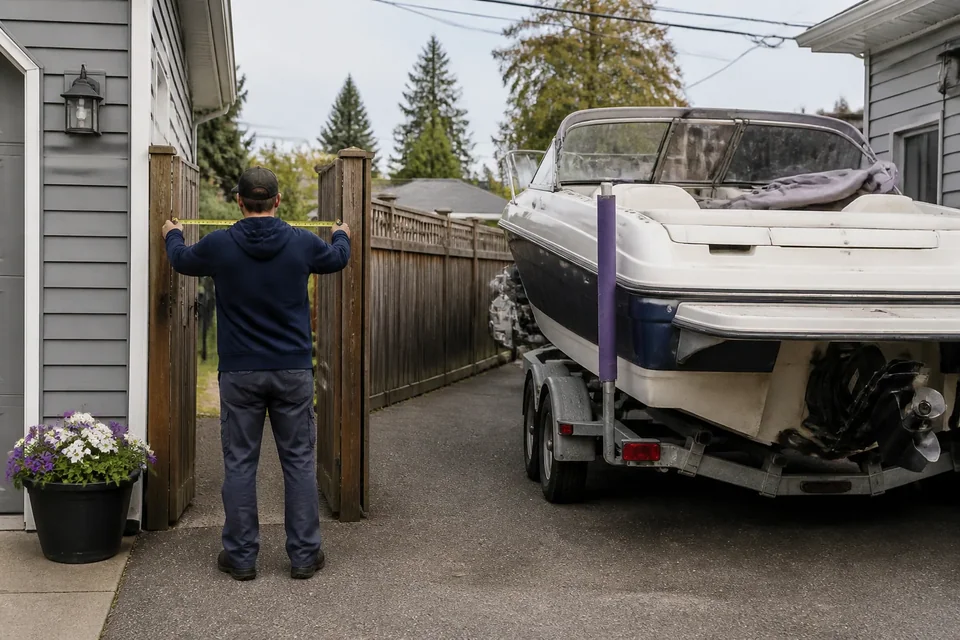
No, you do not need to be on-site when the crew hauls your vessel. Out-of-state owners, working folks, and buyers out of the country get full photo updates from arrival to departure, including shots of the boat loaded on the trailer.






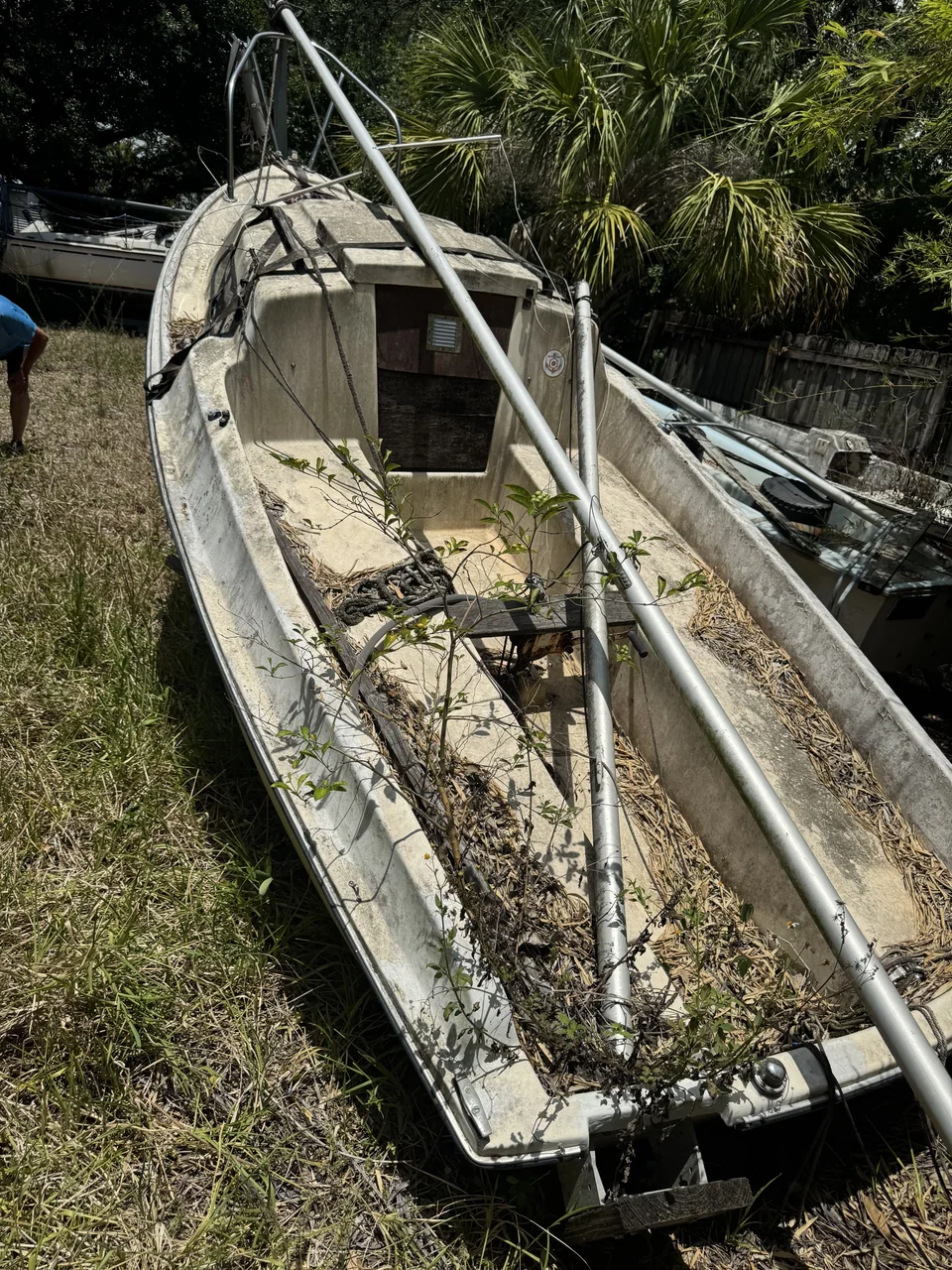
Where an end-of-life hull goes next
- Preparing a safer hull clearance operation
- Moving a vessel from its berth to a disposal route
- Choosing the destination for an unwanted hull
- Checking the rules that apply to your vessel
- Considering fluids, materials and the surrounding site
- Separating equipment and recoverable materials
- Loading an unwanted hull from a land-based site
- Ways to process a vessel at the end of its service life
- Handling vessel waste through the appropriate channels
- How hull condition and size shape the estimate
- Planning the route from pickup to processing
- Matching the hull to a suitable processing facility
- Planning for the handling of fluids and vessel waste
Preparing a safer hull clearance operation
Safety is paramount during the boat disposal process to prevent accidents, injuries, and environmental incidents.
Safety requires securing the vessel, cutting off battery power, disconnecting fuel lines, and clearing out hazardous materials before transport. Crew members wear personal protective equipment (PPE) and set up safety barriers or warning signs around the work space to protect nearby people during heavy pulls.
Moving a vessel from its berth to a disposal route
Boat salvage ops from water and complete boat disposal from the water typically involves salvage strategies to retrieve, transport, and dispose of the vessel safely and responsibly.
Boat Hauler uses specialized gear including towboats, salvage hulls, cranes, and air lift bags to float a sunken vessel and bring it to land. The job covers on-water retrieval, hull stabilization, towing across open water, and ramp offloading to get the vessel to the yard.
Choosing the destination for an unwanted hull
Boat disposal options from water may include recycling, landfill disposal, or incineration, depending on factors such as the boat’s condition, material composition, and environmental regulations.
Our salvage team coordinates with licensed disposal facilities to choose a processing method that meets waste management rules and environmental laws. The goal is to keep materials out of local landfills and salvage reusable parts wherever possible.
Checking the rules that apply to your vessel
Boat disposal must comply with local, state, and federal regulations governing waste management, pollution prevention, and environmental protection.
Boat owners carry the legal duty to follow state environmental codes, pull required local permits, and use authorized disposal methods. Skipping these regulatory steps can trigger heavy municipal fines, state penalties, and strict legal liabilities.
Considering fluids, materials and the surrounding site
Boat disposal has potential environmental effects, particularly if the boat has hazardous materials or pollutants.
Boat Hauler identifies and traps environmental hazards like old gas, crankcase oil, heavy marine batteries, steering fluids, and loose marine debris before moving the vessel. Proper containment and careful handling keep toxic materials from poisoning local soil, coastal waterways, and wildlife habitats.
Separating equipment and recoverable materials
Once the salvaged boat is transported to a disposal site, it may undergo dismantling and recycling to recover valuable materials and components for reuse or recycling.
Salvage yards break down old hulls to separate clean scrap metal, fiberglass, and structural plastic for processor resale. Usable engines, marine electronics, and brass hardware get reconditioned or sold off as replacement parts for other vessels.
Loading an unwanted hull from a land-based site
Transportation to Disposal Site: Boat disposal from land involves transporting the vessel from its current location to a designated disposal site or facility.
Boat Hauler loads vessels onto heavy trailers, flatbed trucks, or hydraulic haulers to haul them down public roads safely. Truck route planning depends on vessel length, beam width, total weight, road clearance restrictions, and highway permit rules.
Ways to process a vessel at the end of its service life
Once the boat reaches the disposal site, it may undergo different disposal methods, including dismantling, recycling, landfill disposal, or repurposing, depending on environmental regulations and waste management practices.
Specialized scrap yards and marine recycling yards handle total vessel tear-downs following state waste regulations. Modern disposal methods focus on cutting down landfill volume, recovering clean raw materials, and keeping contaminants out of the ground.
Handling vessel waste through the appropriate channels
Boat disposal from land requires compliance with environmental regulations governing waste management, recycling, and pollution prevention.
Boat owners must secure, drain, and safely dispose of all internal fuels, battery fluids, and hazardous pollutants before final disposal. Staying compliant often takes local agency permits, site environmental assessments, and containment booms to guard public waters.
How hull condition and size shape the estimate
Boat length, beam and condition are taken into consideration when pricing out disposal fees.
A hull's length and overall condition directly drive up total disposal costs, as rot, structural failure, and massive water weight take heavier gear and more crew hours. Hull composition, structural damage, and embedded environmental hazards also dictate whether specialized cutting rigs or hazardous material crews must step in.
Planning the route from pickup to processing
Transportation logistics play a base role in determining disposal costs, with factors such as distance, accessibility, and transportation methods influencing overall expenses.
Long hauling distances and remote loading sites drive up overall transport costs, especially when narrow access roads require special land permits or heavy hydraulic machinery.
Matching the hull to a suitable processing facility
The chosen disposal method and facilities can impact disposal costs, with options such as recycling, landfill disposal, or incineration varying in cost depending on environmental regulations, waste management practices, and facility fees.
Scrap processing and material recycling carry processing labor fees, while direct landfill dumping requires paying weight fees at the scale house.
Planning for the handling of fluids and vessel waste
Compliance with environmental regulations and permitting requirements can add to disposal costs, with expenses associated with obtaining permits, conducting environmental assessments, and implementing pollution control measures.
Vessel owners should plan for regulatory costs to keep legal disposal while cutting down environmental liability on public waterways.
Explore the practical steps in vessel clearance
- From the first request to the cleared site
- Fast Vessel collection
- When vessel collection becomes the practical next step
- Material recovery and reuse for retired vessels
- Boat Removal: States, Cities and Areas We Serve
- How vessel clearance differs from household waste pickup
- Arrange a crew for vessel collection
Ask for a project-specific pickup estimate
Connect with the Boat Hauler team
Email Us Directly: boathaulerllc@gmail.com
Call us today to get your boat removal on the schedule.
Get on the Schedule Online
Request Pickup OnlineFind a region for your vessel pickup
Check our locations list to see where our crew handles boat removal along the coast.
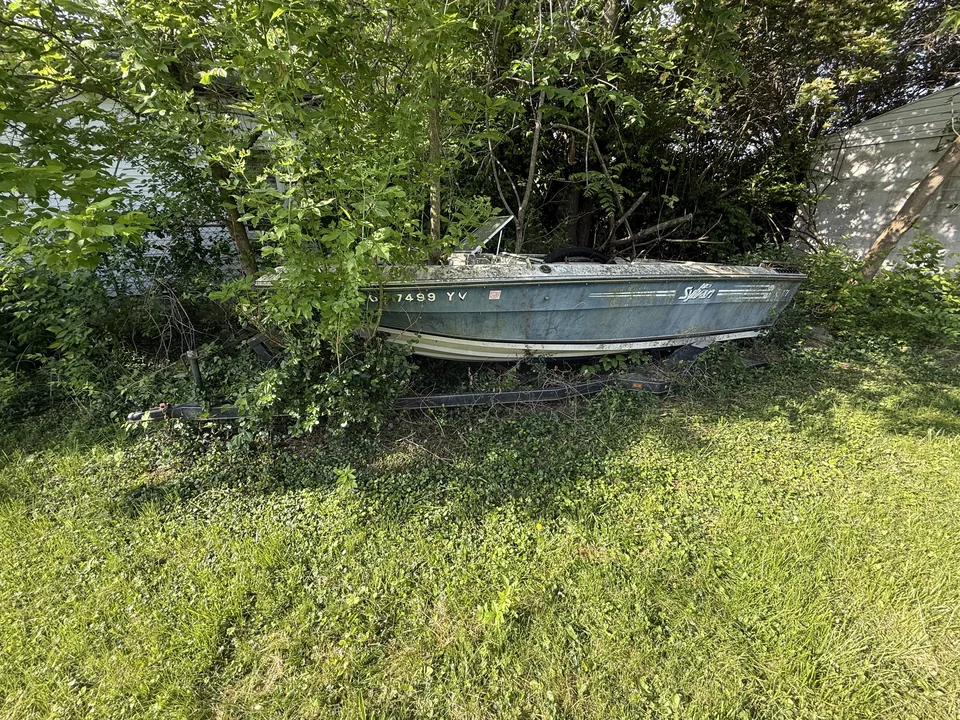


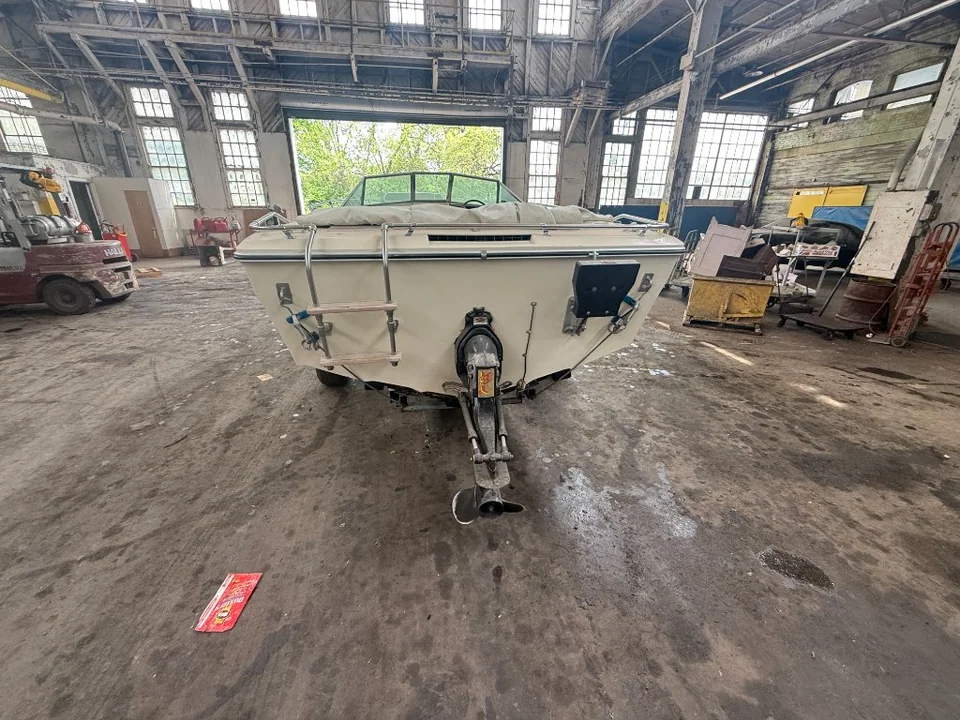
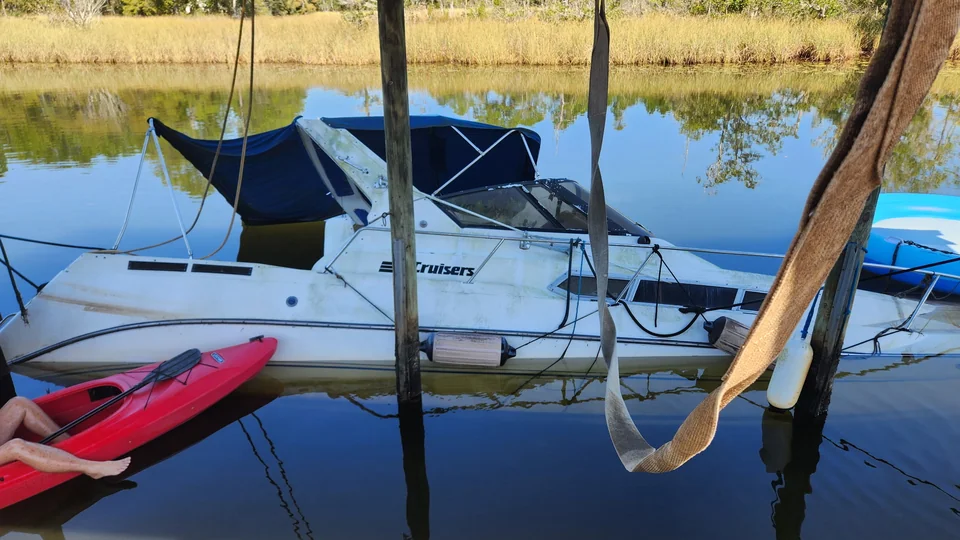
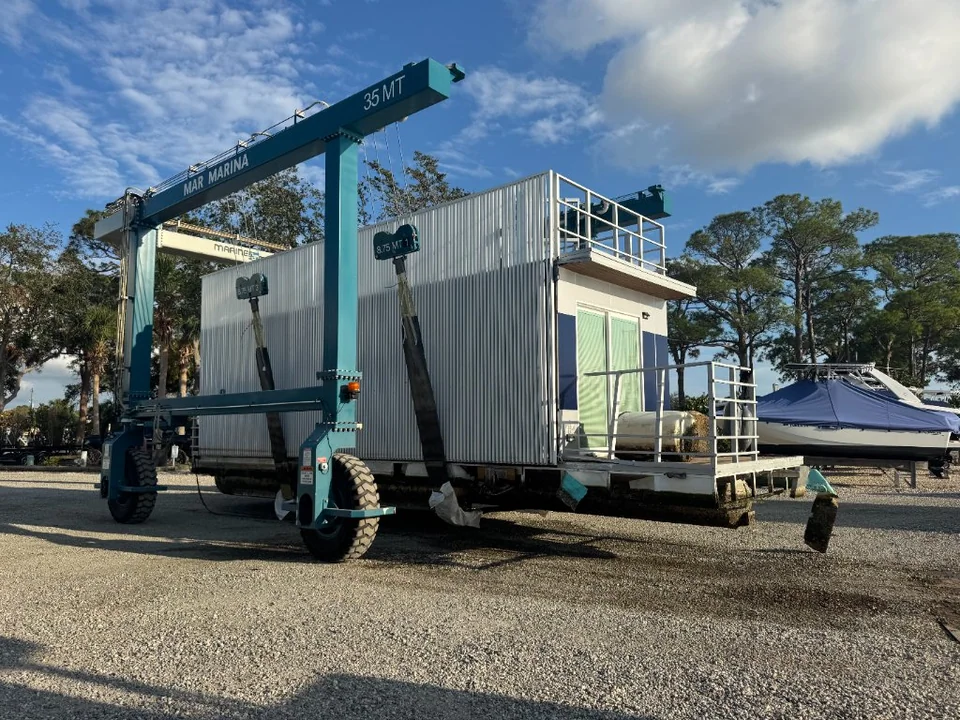
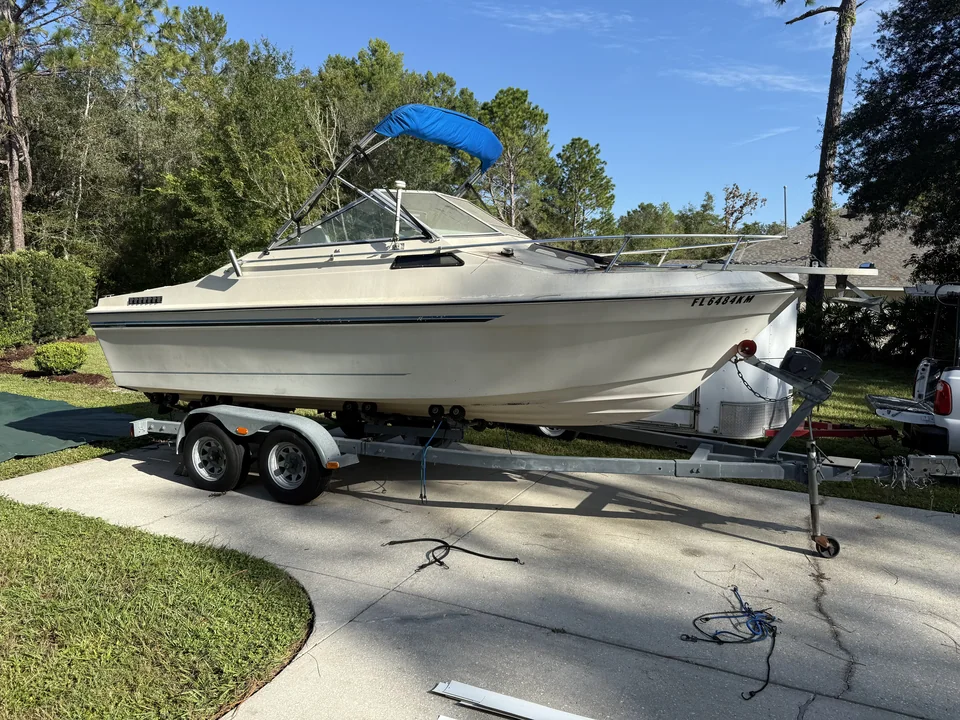

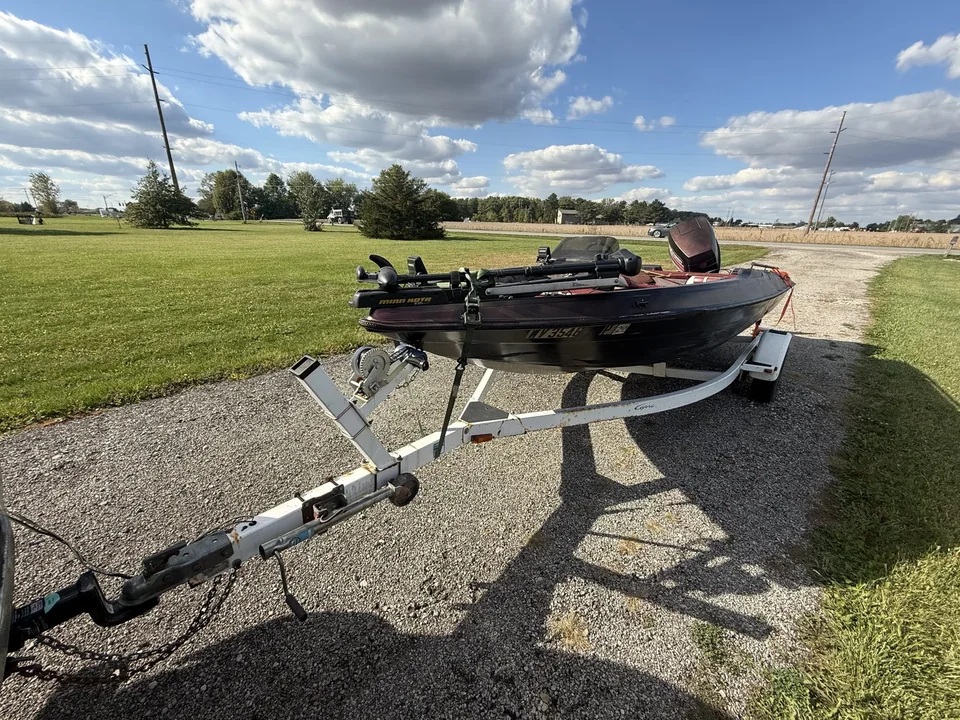


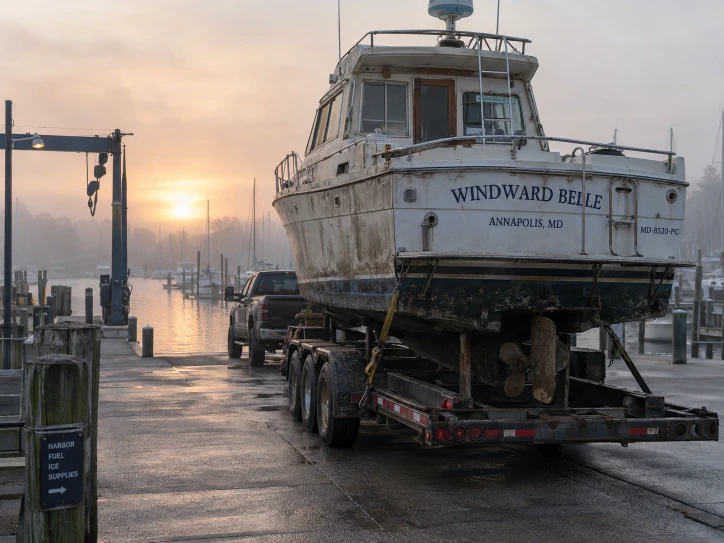


Boats and handling equipment in pictures
Check out our Gallery of Junk Boats, Disposed, Salvaged & Recycled to see our past boat removal work.
Detroit, Michigan hull dismantling estimatesDetroit, Michigan Boat RemovalVessel collection support in Danville, CaliforniaDanville, California Boat RemovalVessel recovery in Discovery Bay, CaliforniaDiscovery Bay, California Boat Removal