 Boat
Recovering a submerged vessel starts with a workable lift plan
Assessing access to a submerged hull
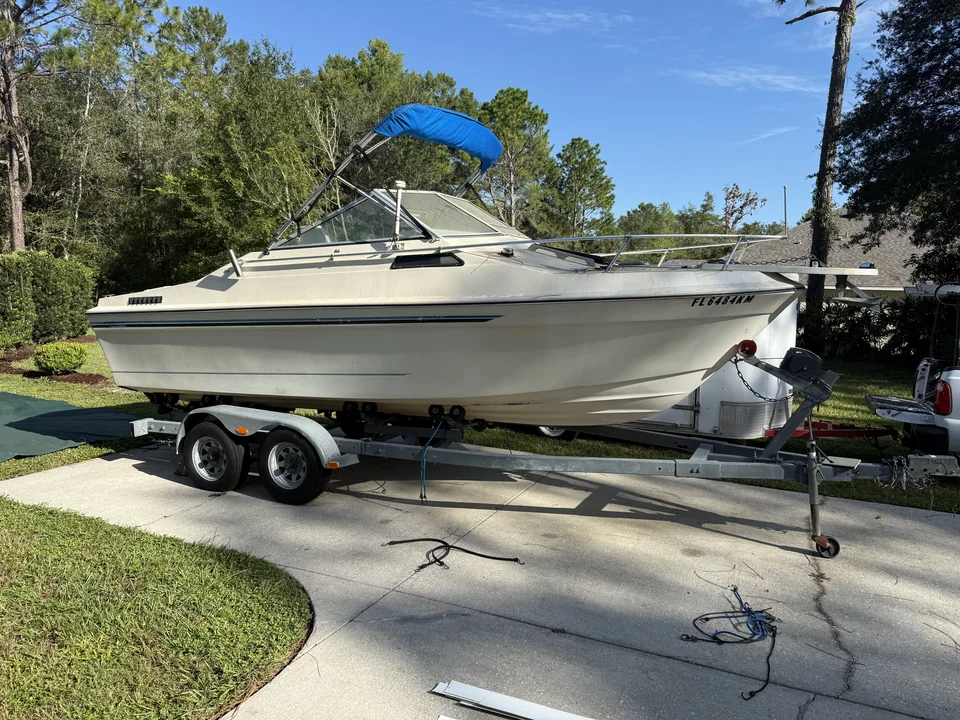
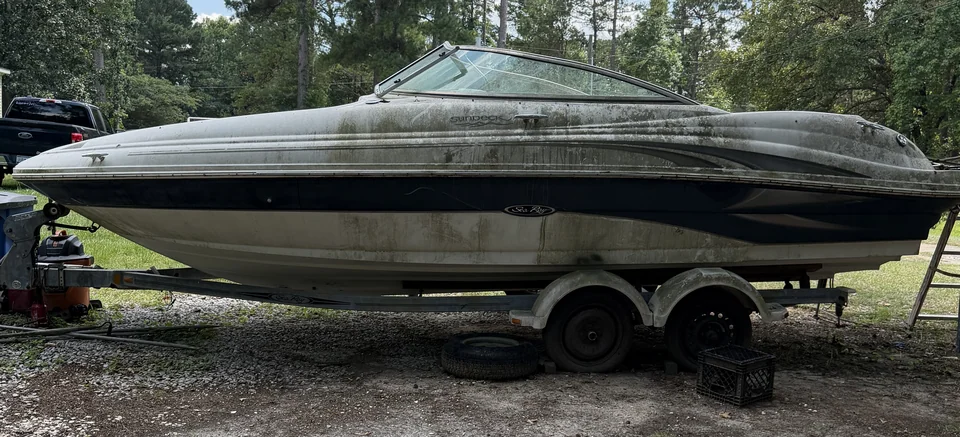
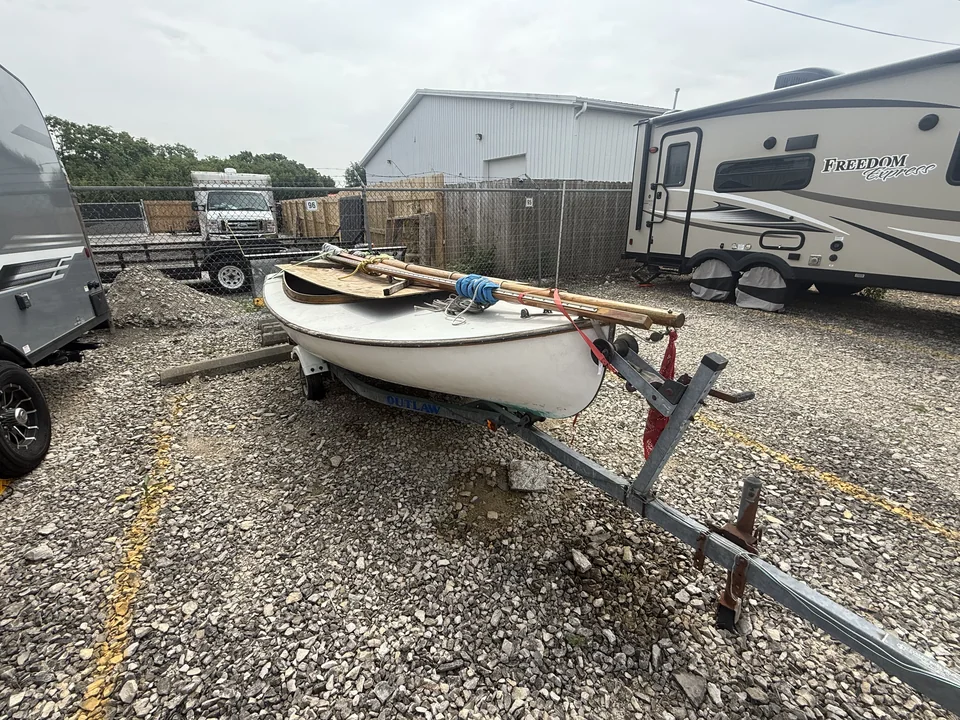
When you need sunken boat removal, Boat Hauler floats, hauls, and disposes of any vessel sitting under the water or taking on sea. Our crews winch, transport, and dismantle everything from sunk sailboats and motor yachts to catamarans, center consoles, and cabin cruisers. You send two or three photos, and you get a clear fixed price before anyone touches the hull. Give us a call at 727-955-3966 or 855-705-3970 to get your quote.
Sunken Vessel Clearance Estimates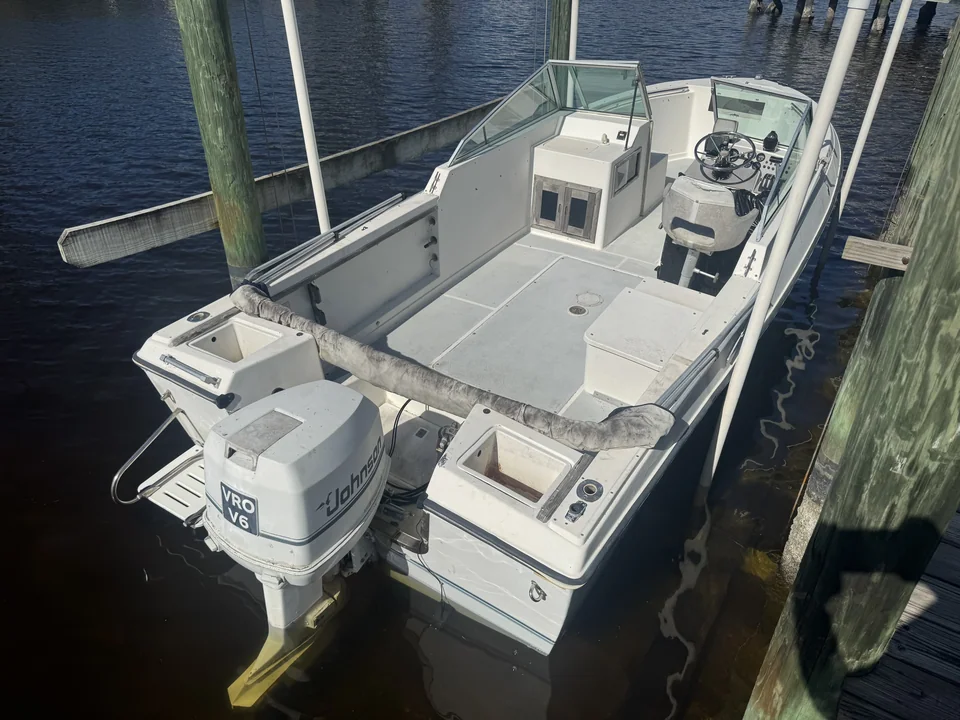
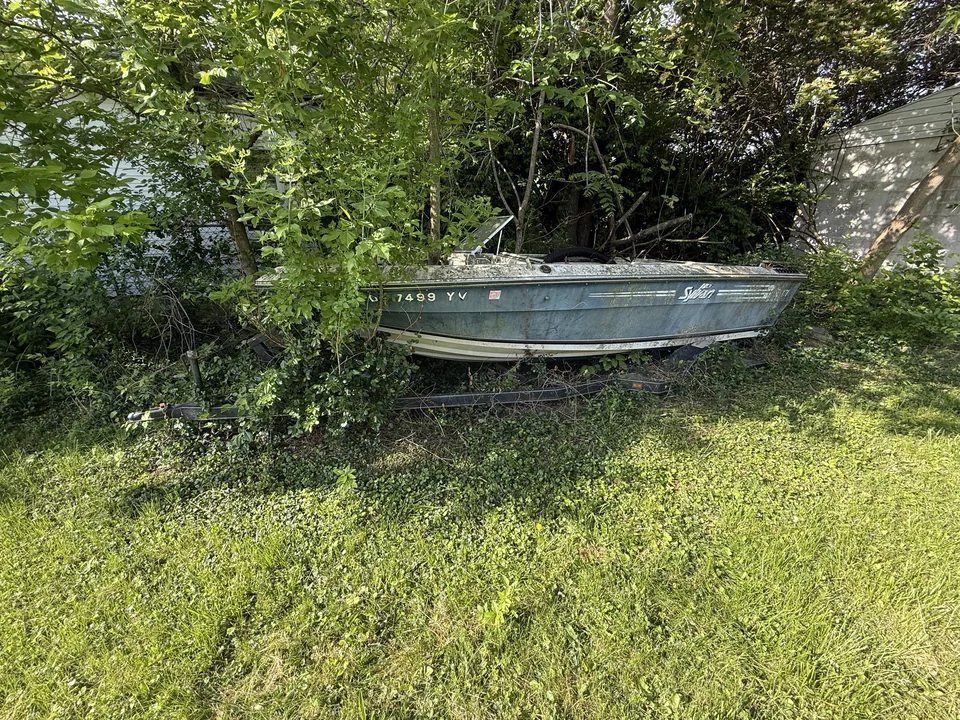
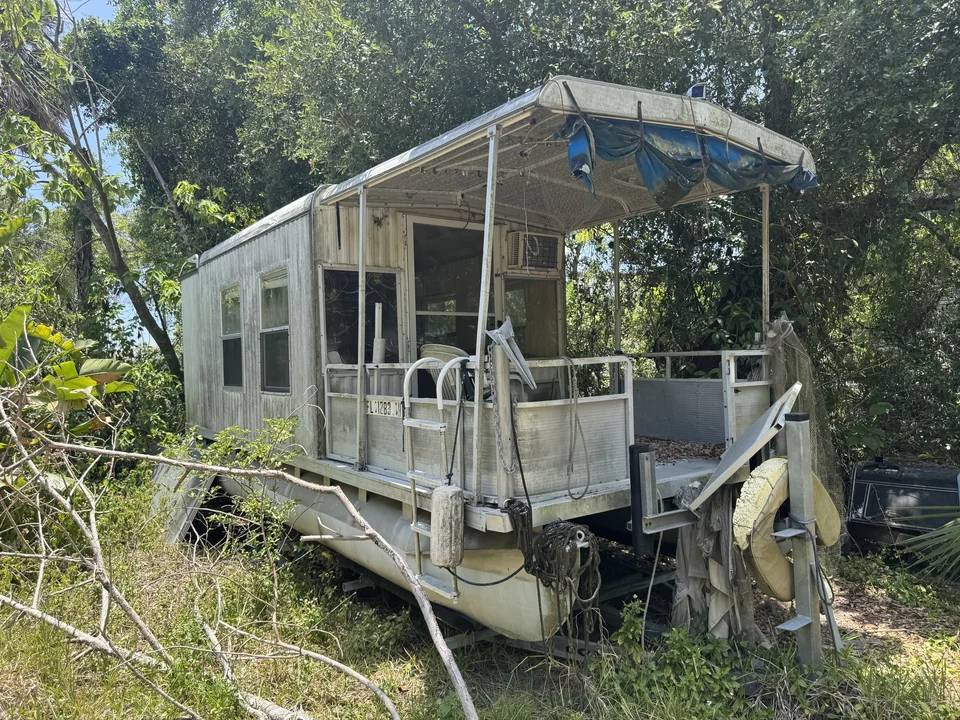


- Common failures that leave a vessel underwater
- Planning the lift before equipment arrives
- Deciding between restoration and retirement
- Questions to resolve before leaving a hull in place
- Budgeting for underwater recovery and haul-out
- Comparing a self-managed recovery with specialist help
- Choosing the crew for a difficult vessel move
- Equipment and access costs behind a recovery estimate
- What a self-managed vessel recovery involves
- Discussing payment options for a recovery project
Common failures that leave a vessel underwater
A boat sinks for a dozen mundane reasons, usually starting with a dead battery, a blown float switch, an unaddressed thru-hull leak, or a heavy squall that dumps more rainwater into the bilge than an old pump can handle.
Keeping a vessel riding high on its waterline takes constant eyes and steady maintenance. Installing a float-actuated bilge pump is the bare minimum for every boat sitting in a slip or on a mooring. A small effort on routine maintenance keeps fiberglass floating instead of sitting on the bottom of the bay.
It does not take much to send a recreational vessel or a commercial skiff under. A tiny slow leak or a afternoon storm paired with a failed pump switch can drop a hull to the mud overnight. When tropical systems like Hurricane Irma roll through, storm surge and shifting tides smash lines, pull cleats out of docks, and leave dozens of boats resting on the seafloor.
Surprise groundings and sudden sinkings happen on every waterway. Poor maintenance, severe weather, mechanical failure, or striking a submerged log will put water inside the cabin fast. Many of these hulls can be saved if that is what you want, but most owners just want the boat pumped, refloated, towed, chopped up, and hauled off.
It does not matter if your hull went down in a hurricane, a tropical storm, a rough inlet, or because a raw water hose popped off the engine intake. The vessel is sitting on the bottom or resting sideways in the mud. The first step is accepting where things stand, and the next step is building a clear plan to get it out of the water.
Planning the lift before equipment arrives
Lifting a submersed or sunk vessel takes careful preparation, right down to measuring twice and cutting once before setting a single rig. Professional recovery demands stage planning, equipment checks, staging heavy trucks and hydraulic boat trailers, bringing in tow craft, and running a thorough crew briefing. The crew leader calculates tidal shifts, wind direction, navigational markers, and back-up contingency plans before anyone straps on gear or turns a key.
Deciding between restoration and retirement
You need to decide whether you are removing the sunken vessel because Florida Fish and Wildlife tagged it as a derelict craft with fines and jail time attached, or because you intend to dry-dock it for a long restoration project.
About 85% of the hulls our crews float off the bottom head straight to our crushing yard for dismantling. Marine repairs on a flooded boat routinely cost far more than buying a replacement vessel. Finding water damage on wiring, controls, and engines on the hook is tough, fixing it on land gets expensive fast, and you never know if it works until you splash the hull back into the tide where you are also stuck paying yard storage fees.
Questions to resolve before leaving a hull in place
Look, we want to clear the air right now: we do not recommend or endorse leaving a vessel down, and this website does not offer legal advice, just direct field experience and general commentary.
When a owner considers leaving a wreck where it settled because salvage costs look steep, we understand the initial reaction.
The problem is most state authorities and local harbors give you no choice once the registration number ties back to your name, or when an elevated hull blocks your dock right as you put your home on the market, or when your homeowners association threatens daily fines.
Dropping an artificial reef might look good to local gamefish, but putting an unapproved structure in a channel turns into a immediate hazard to navigation and a trap for other captains.
A recently sunk vessel constantly releases diesel fuel, gasoline, and crankcase oil into the surrounding marsh, which brings severe environmental fines from state inspectors when traced back to the owner.
If you are thinking about letting nature take the vessel, keep those legal liabilities and fuel spill penalties firmly in mind.
Budgeting for underwater recovery and haul-out
Pricing a vessel recovery works a lot like pricing the removal of a dangerous tree in a yard. The crew has to figure out whether they are taking down a light pine tree or an overgrown live oak before setting a gear budget.
Watching a boat go under hurts, and talking about the money required to raise it back up is rarely a fun conversation.
Hiring a licensed salvage team to raise a 15-foot to 25-foot vessel generally runs between $3,200 and $6,300. That range shifts based on the hull length, beam width, draft height, vessel orientation, location, and overall access.
Vessels spanning 25 feet to 30 feet usually cost between $5,300 and $8,400 to recover, while boats over 30 feet in length start at $8,400 and move up based on water depth and bottom mud conditions.
Sunken boat removal carries a real cost because operating heavy cranes, commercial tow vessels, dive gear, and high-capacity pumps under heavy liability requires specialized equipment and trained personnel.
Comparing a self-managed recovery with specialist help
Attempting a self-service boat recovery rarely saves money once you account for renting high-volume trash pumps, sourcing heavy lift bags, and risking damaged tow rigs. If you have marine salvage background, strong commercial rigging, an operable tow vessel, heavy trailers, and experienced hands, you might manage it. Without prior salvage experience, calling professional riggers protects you from sinking a second boat or destroying the target hull.
Choosing the crew for a difficult vessel move
When you hire a commercial crew, Boat Hauler quotes each vessel job based on its exact situation rather than using generic estimate tables. Every project accounts for minimum dispatch operational costs. Those figures set the baseline required to clear crews, tow vessels, heavy transport trucks, and marine trailers for road movement.
Pricing variables for vessel removal depend on location access, distance to the nearest public boat ramp or travelift, boat dimensions including beam, length, draft, and height, vessel design, and what happens to the hull after haul-out.
Per-foot pricing for boat removal typically applies to vessels sitting on dry land or floating hulls that are not actively taking on water.
Do not wait until your vessel sits completely under the surface, because once a boat goes under, the operational price often doubles. A vessel sitting high in the slip needs simple towing, trailer loading, and land disposal fees, whereas a submerged vessel requires commercial divers, lift bag deployment, dewatering pumps, and extra field hands.
Equipment and access costs behind a recovery estimate
- Fuel Costs to Deploy Trucks, mostly diesel, for Transport during boat removal.
- Fuel Costs to Deploy a Tow Boat.
- Boat Trailer Maintenance Costs.
- Dispatch Personnel with Boat Removal Experience.
- Haul Out and Crane Expenses for boat removal, Optional If Needed.
- - We Deploy Water Pumps and Float Bags, Optional If Needed.
- Deploy Diver(s) (Optional If Needed).
- On or Offsite Boat Demolition Machinery.
- Personnel to Operate Demolition Machinery.
- Additional charges for handling fuel, tanks or the engine.
What a self-managed vessel recovery involves
If you are set on trying a DIY vessel recovery, it pays to understand what the physical job actually demands before turning a shaft. This operational description is general information based on field work and is not legal counsel.
Going the do-it-yourself route might save some initial labor charges, but it brings intense physical stress and long delays. Position a fully working lead vessel down-current from the grounded hull and set heavy anchors. Slip into dive gear, go down, and position specialized lift bags underneath the main structural keel. Never tie lift bag straps directly to cleats, deck rails, or light rigging, as heavy lift pressure will tear hardware straight out of fiberglass; run wide heavy-duty webbing straps completely under the belly of the hull instead.
Small auxiliary bags attached to bow or stern cleats work fine for keeping the vessel level while ascending. Fill your main lift bags evenly using a gas-powered air compressor until the gunwales break the surface. As soon as the deck tops clear water, start high-volume trash pumps to clear the flooded compartments. If the boat stays afloat and does not drift off-station, tow it straight to the nearest haul-out facility before sea conditions change.
Discussing payment options for a recovery project
If you do not want to pull thousands from your liquid savings to clear a grounded or submerged hull, marine financing offers a clear alternative. Applying for sunken boat removal financing spreads out the recovery and disposal fees into predictable monthly payments.
Where an end-of-life hull goes next
- Preparing a safer hull clearance operation
- Moving a vessel from its berth to a disposal route
- Choosing the destination for an unwanted hull
- Checking the rules that apply to your vessel
- Considering fluids, materials and the surrounding site
- Separating equipment and recoverable materials
- Loading an unwanted hull from a land-based site
- Ways to process a vessel at the end of its service life
- Handling vessel waste through the appropriate channels
- How hull condition and size shape the estimate
- Planning the route from pickup to processing
- Matching the hull to a suitable processing facility
- Planning for the handling of fluids and vessel waste
Preparing a safer hull clearance operation
Safety is paramount during the boat disposal process to prevent accidents, injuries, and environmental incidents.
Safety during boat disposal requires disconnecting the battery banks, draining fuel tanks, purging hydraulic lines, and removing hazardous fluids before moving the vessel. Crews use personal protective gear, safety barriers, and high-visibility perimeter markers around the work area to prevent injury during rigging and transport.
Moving a vessel from its berth to a disposal route
Boat salvage ops from water and complete boat disposal from the water typically involves salvage strategies to retrieve, transport, and dispose of the vessel safely and responsibly.
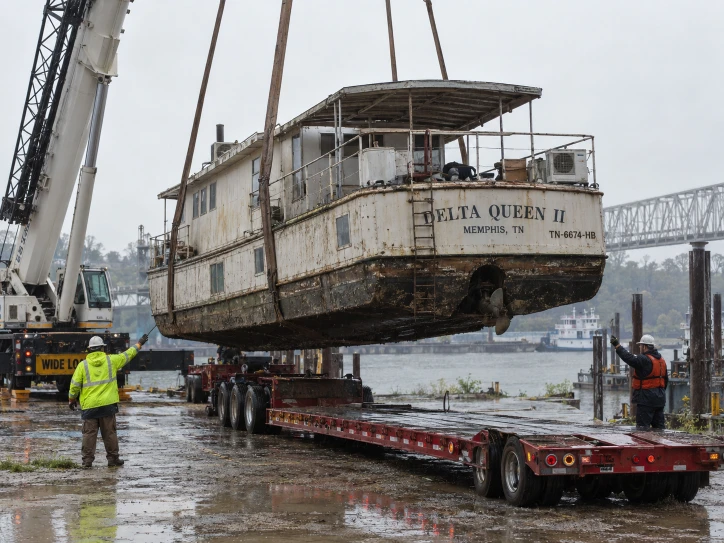
Boat Hauler uses commercial tow craft, heavy salvage rigs, hydraulic crane trucks, and specialized lifting gear to pull submersed hulls out of state waterways and load them onto land transports. In-water salvage work includes stabilizing the vessel, setting high-capacity dewatering pumps, rigging tow lines, and coordinating ramp offloading.
Choosing the destination for an unwanted hull
Boat disposal options from water may include recycling, landfill disposal, or incineration, depending on factors such as the boat’s condition, material composition, and environmental regulations.
Salvage crews work directly with approved processing centers to choose disposal routes based on local environmental rules, hull construction, and waste regulations. Sound disposal planning reduces environmental risks while maximizing material recycling whenever possible.
Checking the rules that apply to your vessel
Boat disposal must comply with local, state, and federal regulations governing waste management, pollution prevention, and environmental protection.
Boat owners are legally responsible for meeting all state marine laws, securing required work permits, and following official vessel removal standards. Failing to clear a tagged hull leads to steep environmental fines, loss of registration privileges, and potential legal charges.
Considering fluids, materials and the surrounding site
Boat disposal has potential environmental effects, particularly if the boat has hazardous materials or pollutants.
Boat Hauler helps boat owners spot and contain environmental threats like diesel, gasoline, motor oil, marine batteries, and loose cabin debris before moving a hull. Proper containment and careful fluid extraction keep toxic materials out of local bays, coastal soil, and marine habitats.
Separating equipment and recoverable materials
Once the salvaged boat is transported to a disposal site, it may undergo dismantling and recycling to recover valuable materials and components for reuse or recycling.
Processing yards specialize in tearing down hulls, separating clean aluminum, stainless steel fittings, lead keels, and raw fiberglass into distinct waste streams. Recovered inboard engines, outboard lowers, and undamaged deck hardware are often cleaned, checked, and reused or sold for parts.
Loading an unwanted hull from a land-based site
Transportation to Disposal Site: Boat disposal from land involves transporting the vessel from its current location to a designated disposal site or facility.
Land transport relies on hydraulic boat trailers, flatbeds, and heavy wreckers to move cleared vessels safely over highway routes. Transport planning accounts for hull weight, total beam width, road clearances, route permits, and highway weight restrictions.
Ways to process a vessel at the end of its service life
Once the boat reaches the disposal site, it may undergo different disposal methods, including dismantling, recycling, landfill disposal, or repurposing, depending on environmental regulations and waste management practices.
Licensed marine waste yards process end-of-life vessels according to state environmental statutes and local landfill mandates. Modern disposal protocols focus on minimizing waste volume, salvaging scrap metals, and preventing chemical runoff during demolition.
Handling vessel waste through the appropriate channels
Boat disposal from land requires compliance with environmental regulations governing waste management, recycling, and pollution prevention.
Owners must keep all petroleum products, battery acid, and chemical contaminants are pumped out and safely contained before transport. Meeting compliance rules requires pulling state disposal permits, completing environmental assessment paperwork, and following approved marine pollution controls.
How hull condition and size shape the estimate
Boat length, beam and condition are taken into consideration when pricing out disposal fees.
A boat's physical dimensions and structural state determine overall disposal expenses, with wide-beam or severely rotted vessels requiring extra rigging time and heavy equipment. Specialty hull materials, sound transom structures, and chemical hazards also affect final costs because damaged hulls take longer to dismantle safely.
Planning the route from pickup to processing
Transportation logistics play a base role in determining disposal costs, with factors such as distance, accessibility, and transportation methods influencing overall expenses.
Longer hauling distances from isolated boat ramps increase land transport charges, especially when wide-load permits or specialized hydraulic trailers are required for tight access roads.
Matching the hull to a suitable processing facility
The chosen disposal method and facilities can impact disposal costs, with options such as recycling, landfill disposal, or incineration varying in cost depending on environmental regulations, waste management practices, and facility fees.
Processing fiberglass and metal recycling incurs material handling charges, while bringing unrecyclable hull scrap to county landfills requires standard tipping fees.
Planning for the handling of fluids and vessel waste
Compliance with environmental regulations and permitting requirements can add to disposal costs, with expenses associated with obtaining permits, conducting environmental assessments, and implementing pollution control measures.
Boat owners must budget for environmental compliance costs to keep the legal, documented destruction of their vessel while avoiding personal liability and state fines.
Explore the practical steps in vessel clearance
- From the first request to the cleared site
- Fast Vessel collection
- When vessel collection becomes the practical next step
- Material recovery and reuse for retired vessels
- Boat Removal: States, Cities and Areas We Serve
- How vessel clearance differs from household waste pickup
- Arrange a crew for vessel collection
Ask for a project-specific pickup estimate
Connect with the Boat Hauler team
Email Us Directly: boathaulerllc@gmail.com
Call us today to get your boat removal on the schedule.
Get on the Schedule Online
Request Pickup OnlineFind a region for your vessel pickup
Check our locations list to see where our crew handles boat removal along the coast.


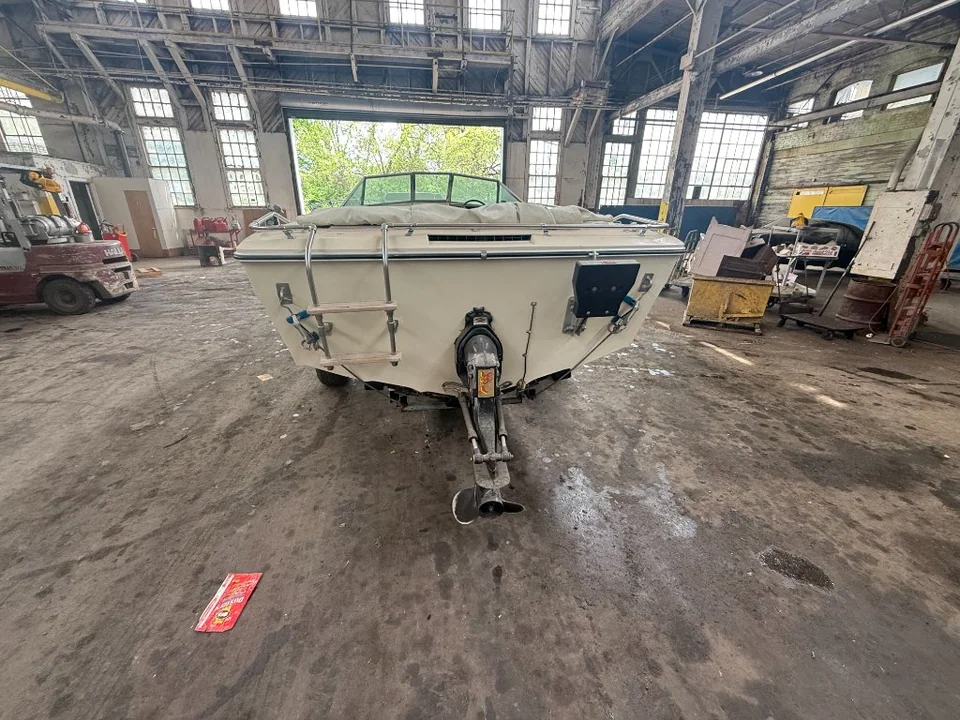
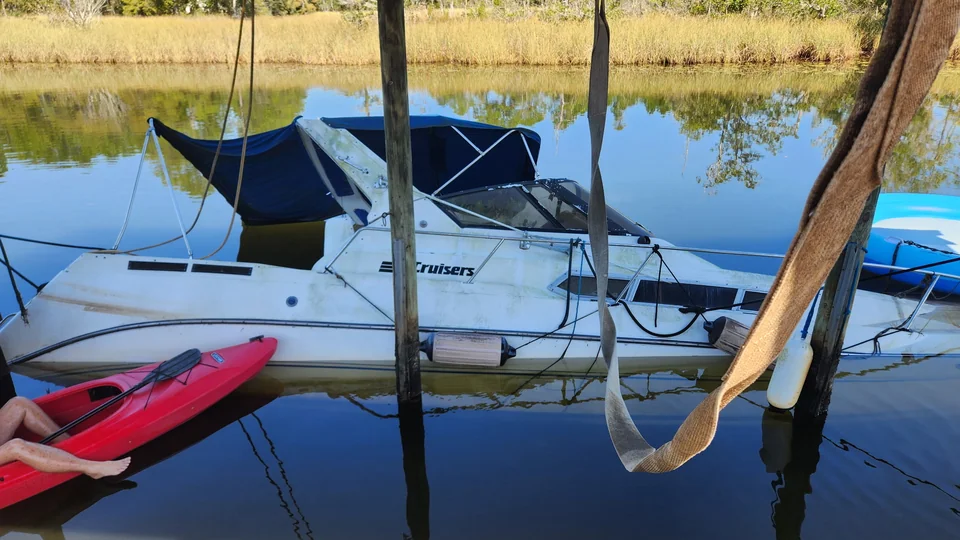
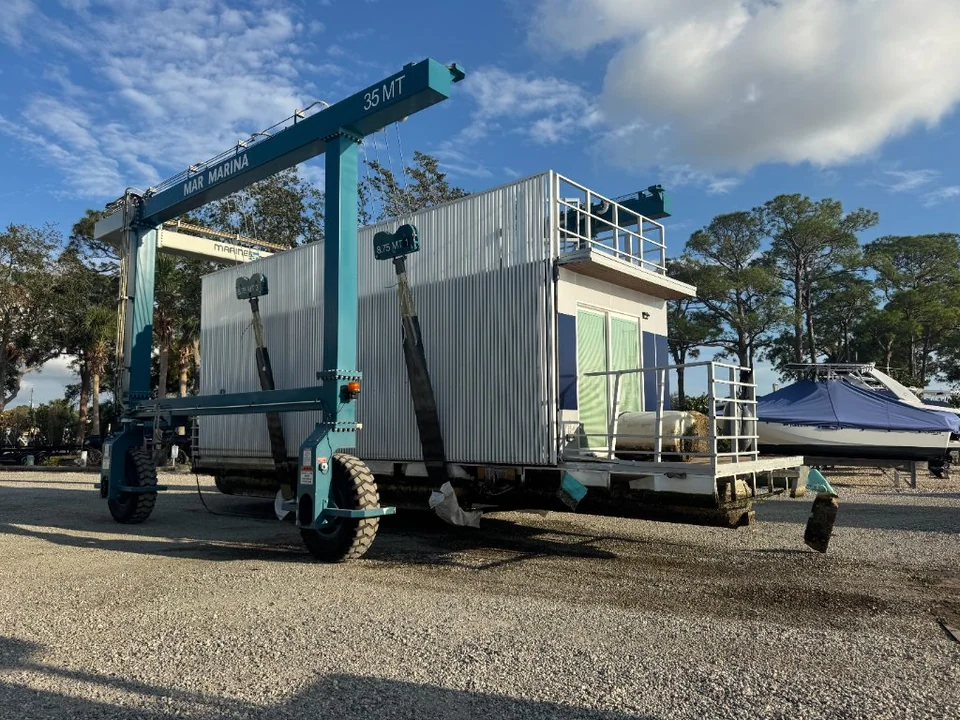
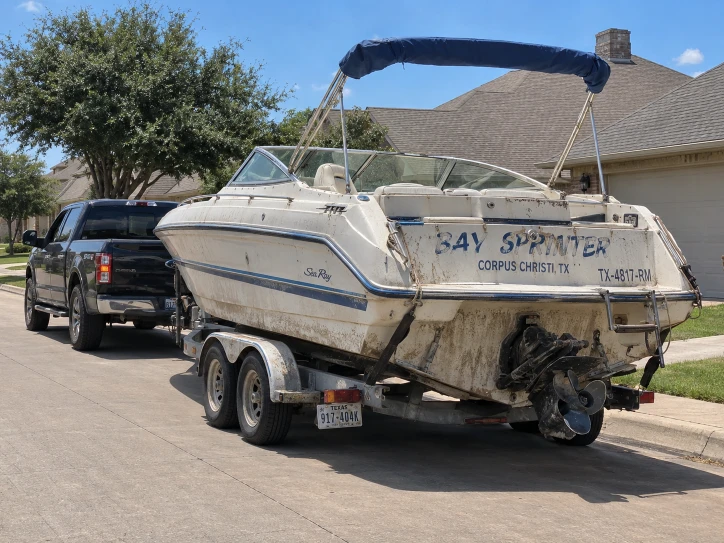

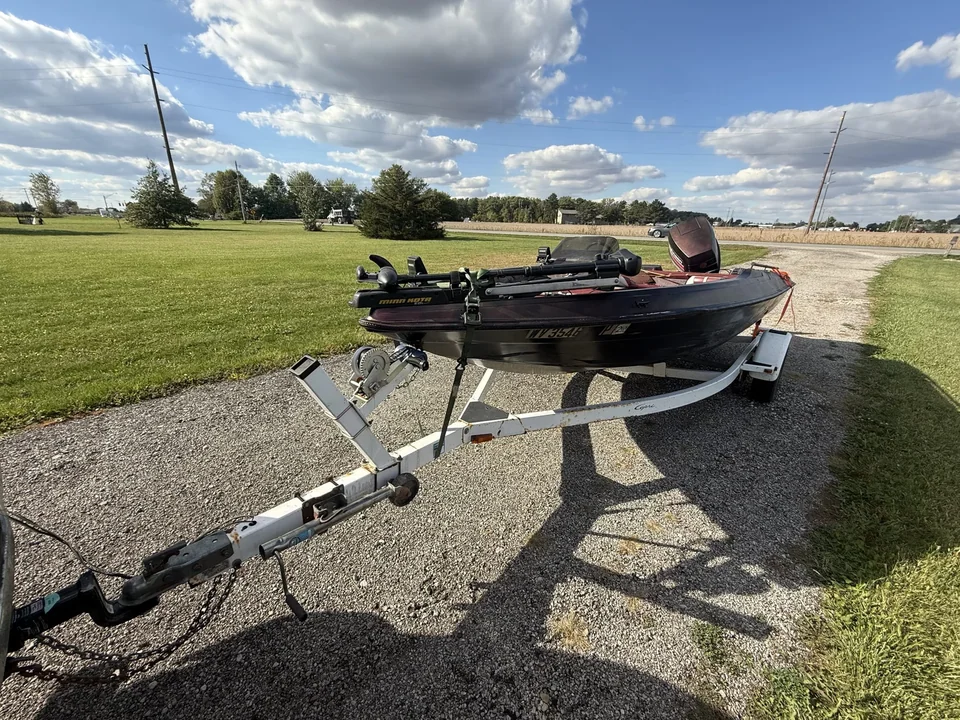


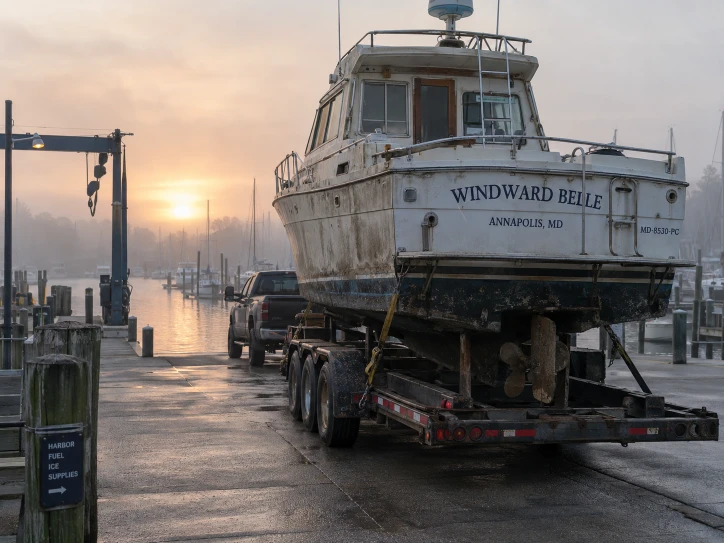

Boats and handling equipment in pictures
Check out our Gallery of Junk Boats, Disposed, Salvaged & Recycled to see our past boat removal work.
Detroit, Michigan hull dismantling estimatesDetroit, Michigan Boat RemovalVessel collection support in Danville, CaliforniaDanville, California Boat RemovalVessel recovery in Discovery Bay, CaliforniaDiscovery Bay, California Boat Removal