 Boat
Boat Disposal | Get Price Quote.
Planning the journey from your property to final disposal
Boat Hauler handles boat disposal from start to finish, getting your hull off the water or out of the yard without hidden fees. When you are ready to set a date, you send a few pictures to get a fixed price for complete boat removal from the team at Boat Disposal Pro's.
Arrange retirement of my hull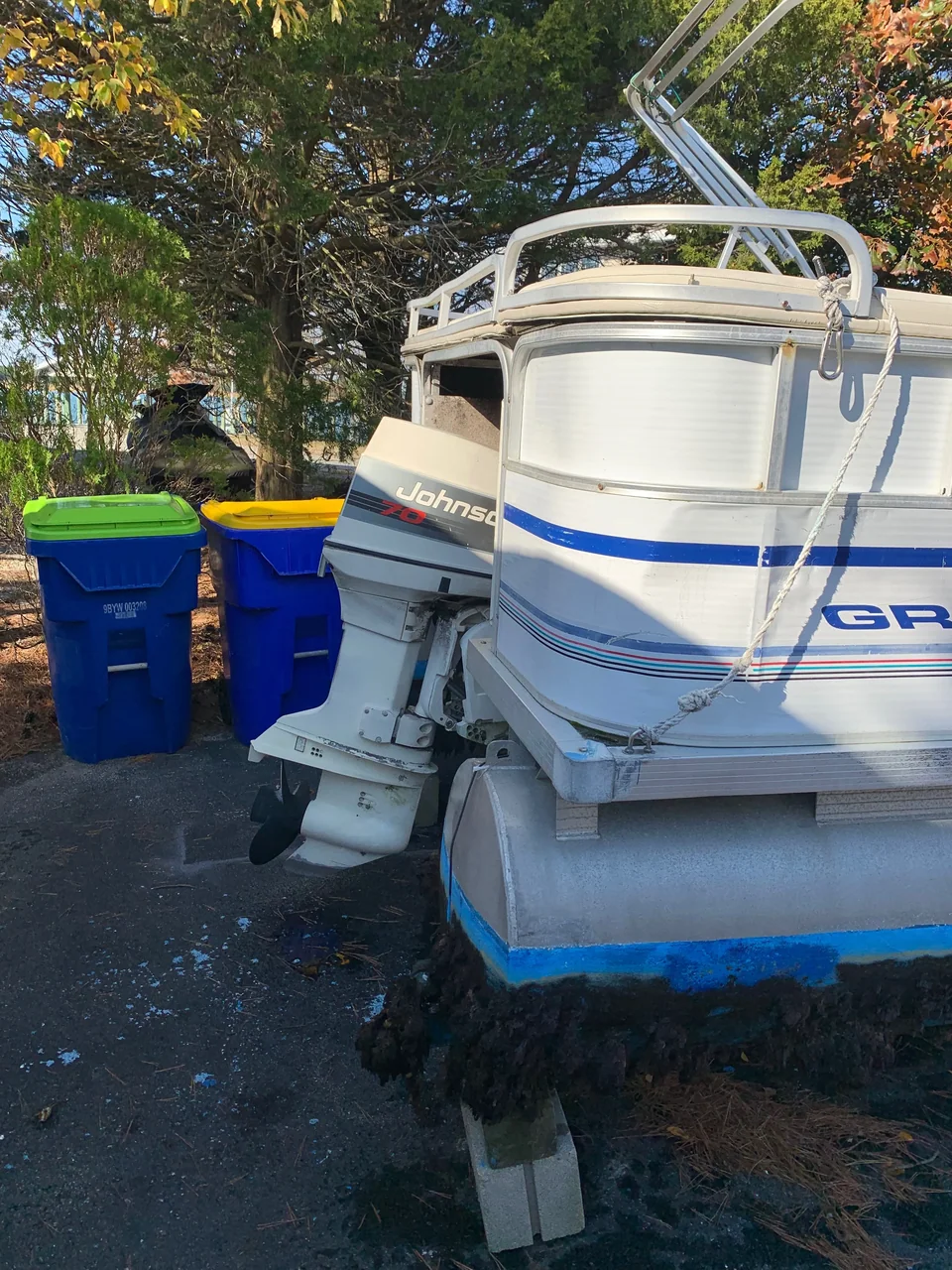
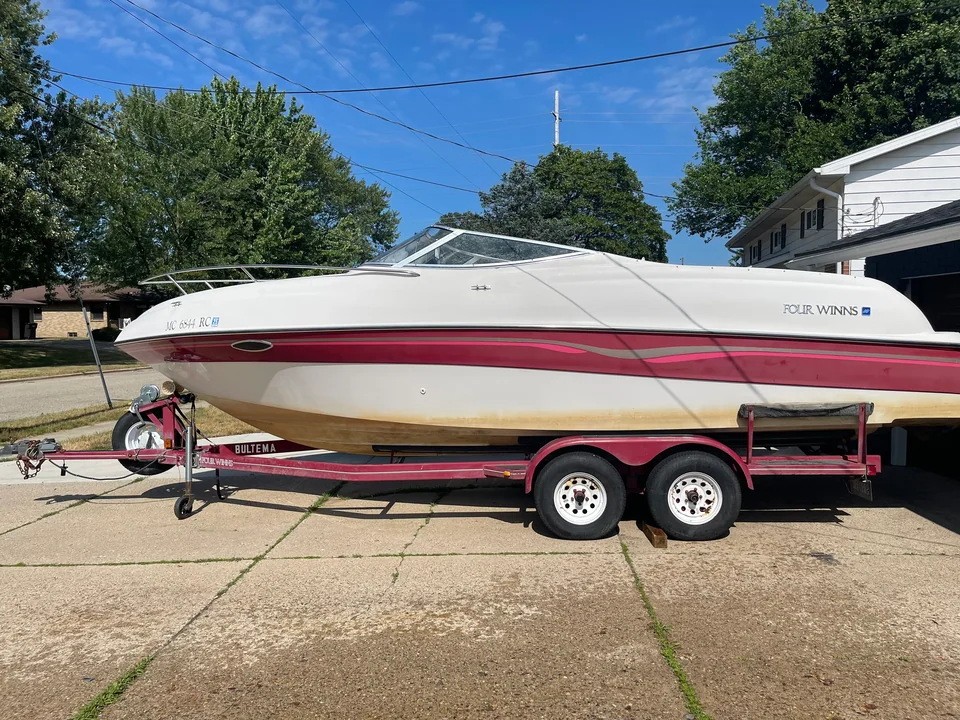
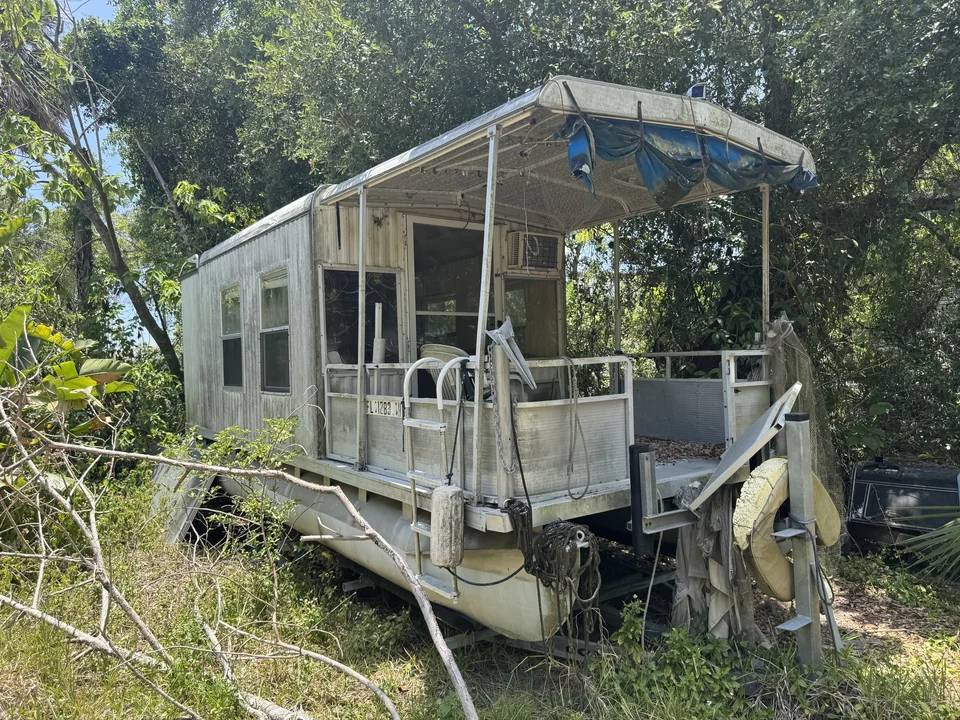
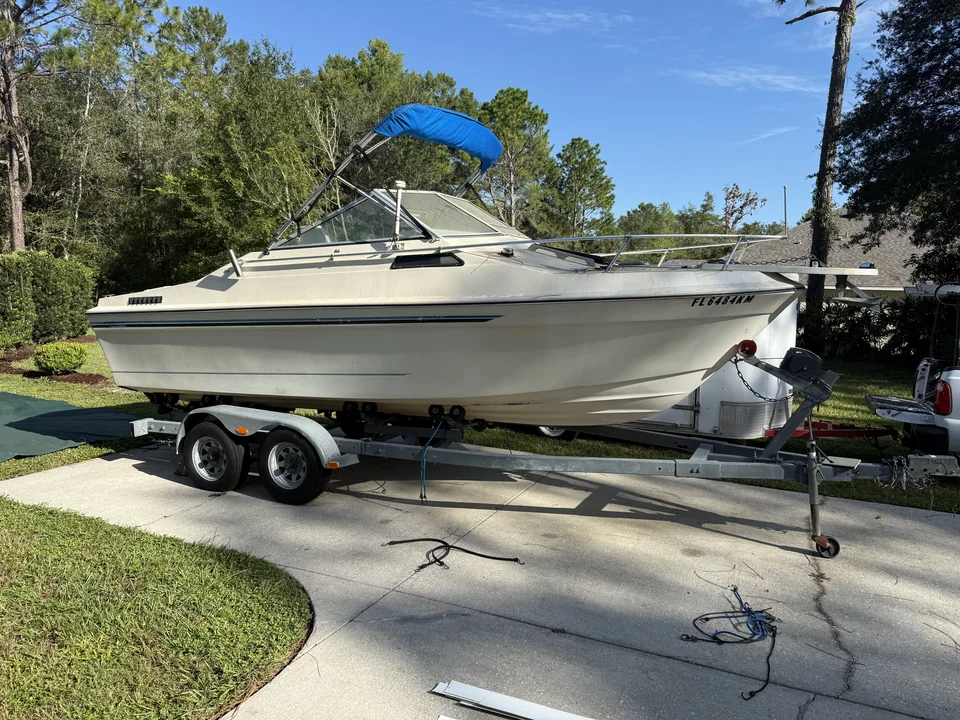
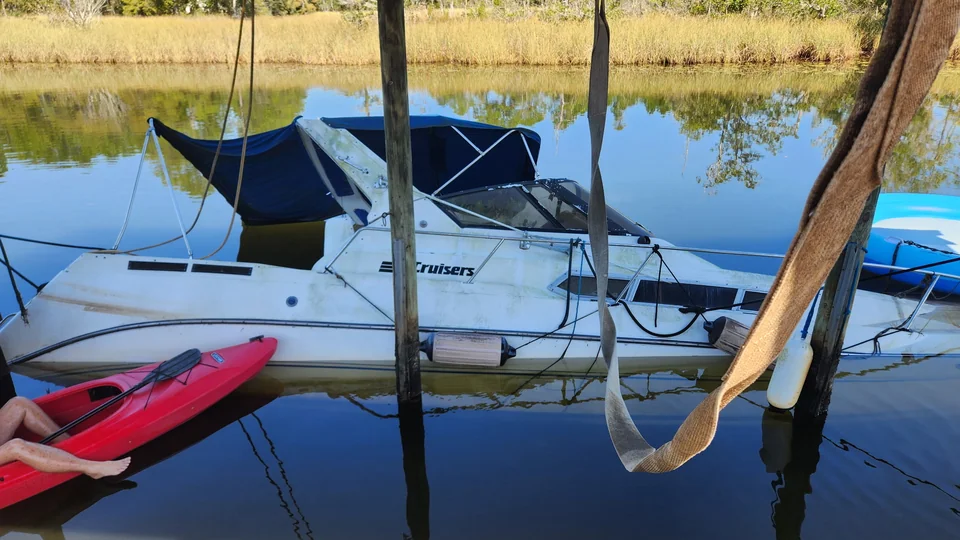
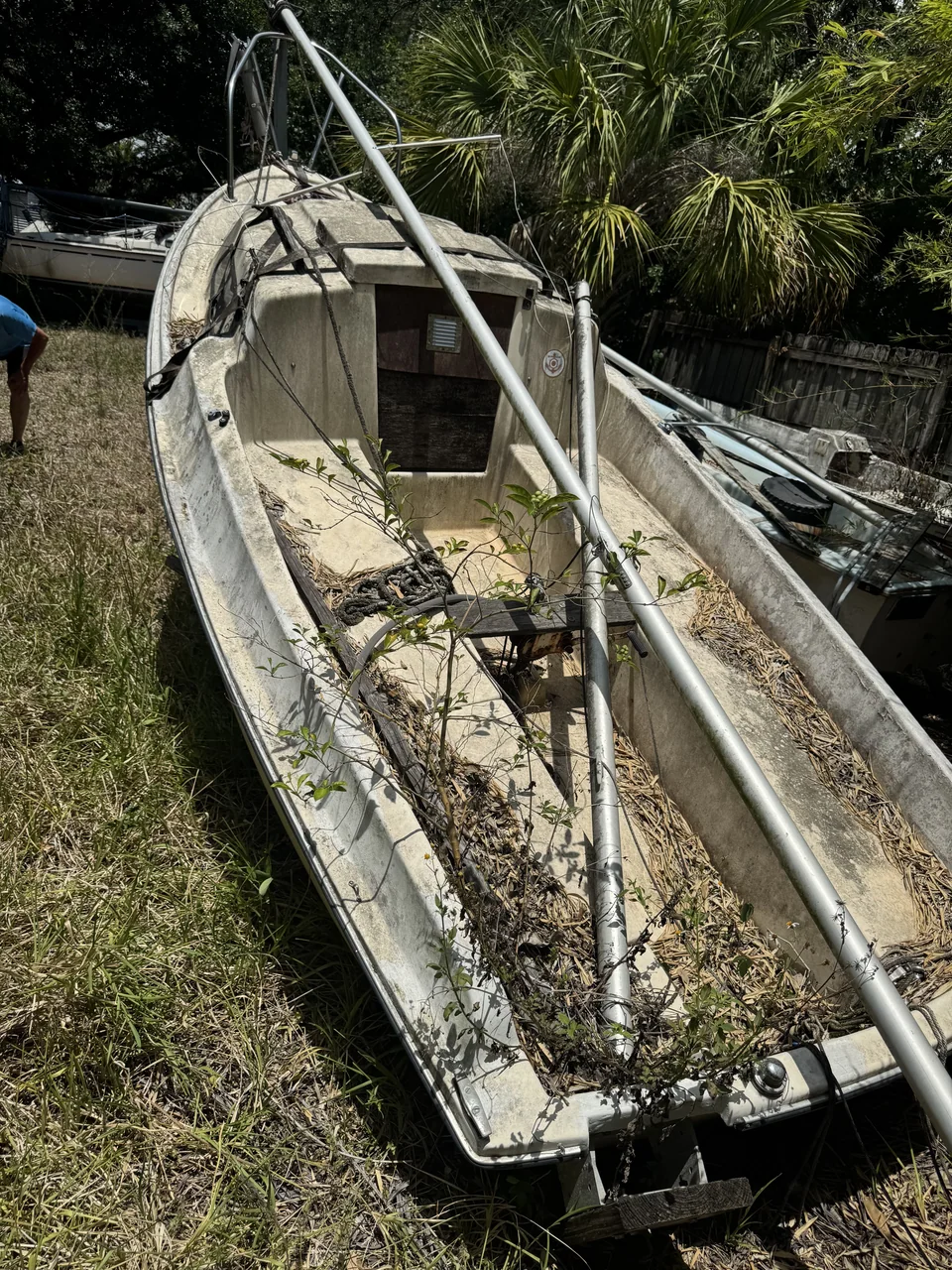
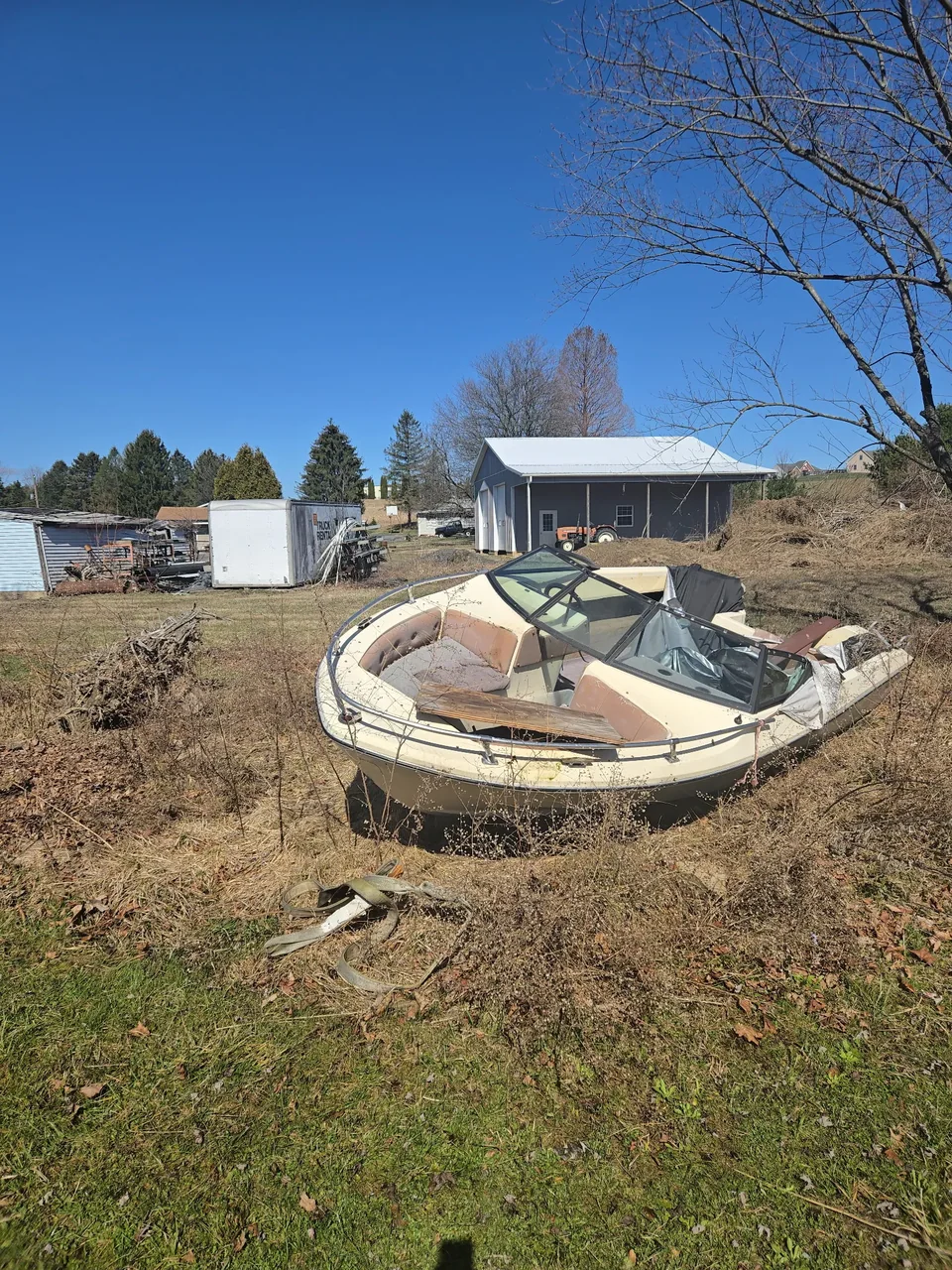
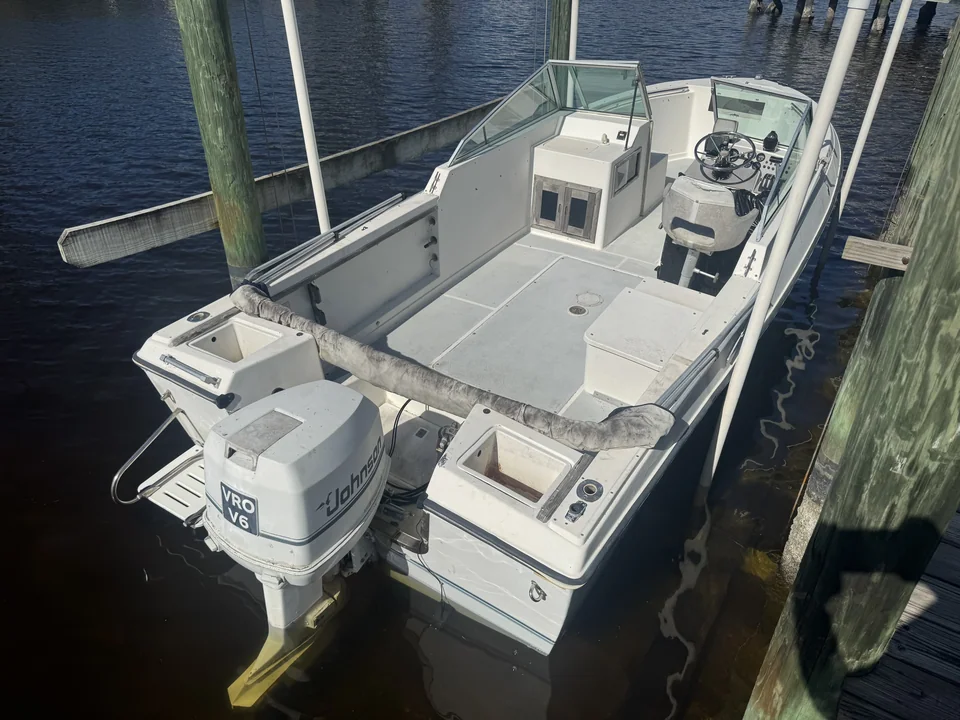
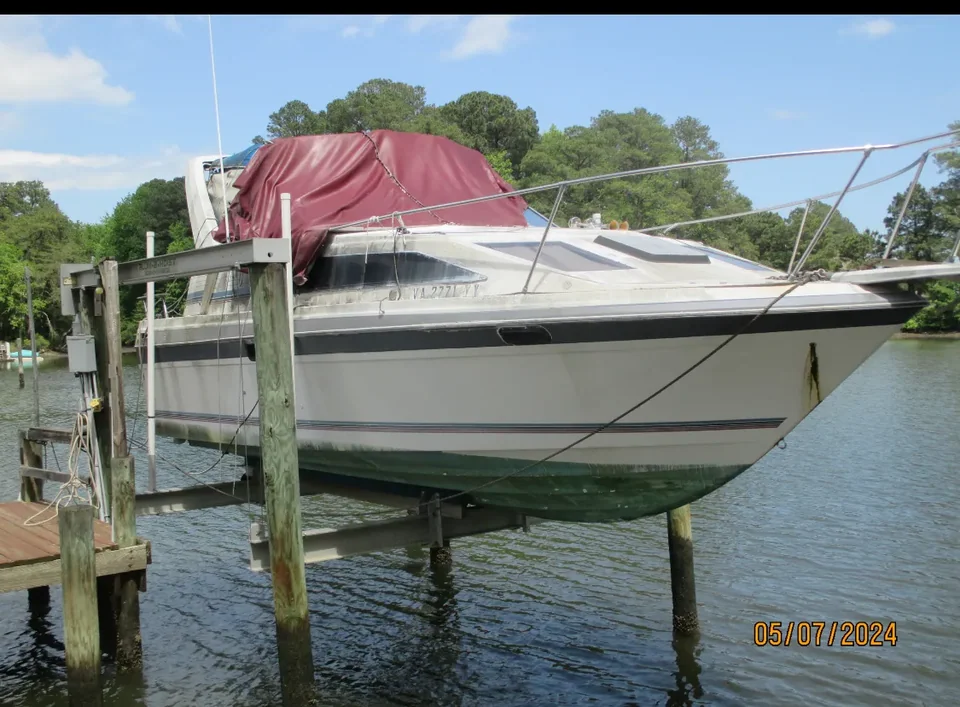

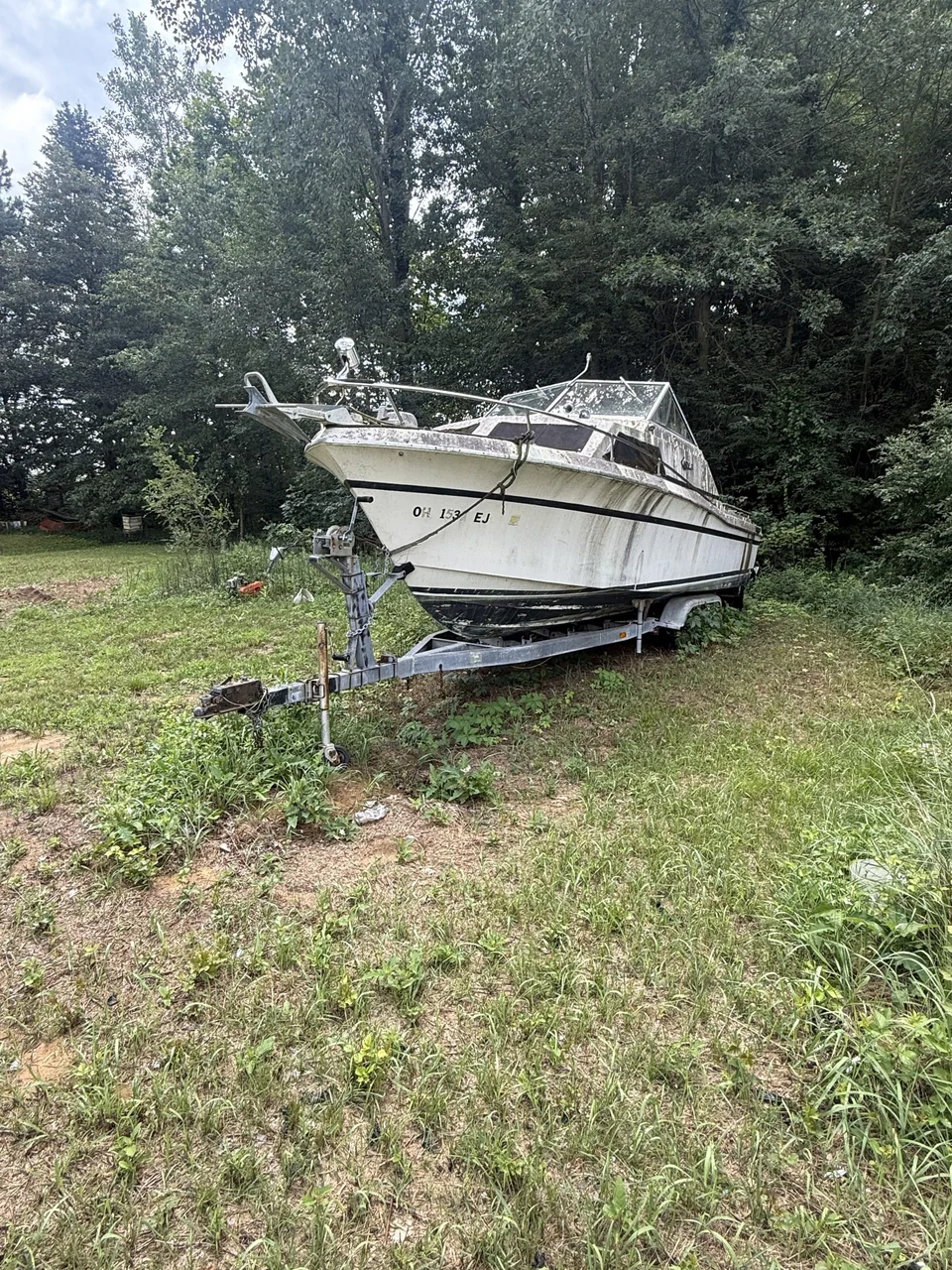
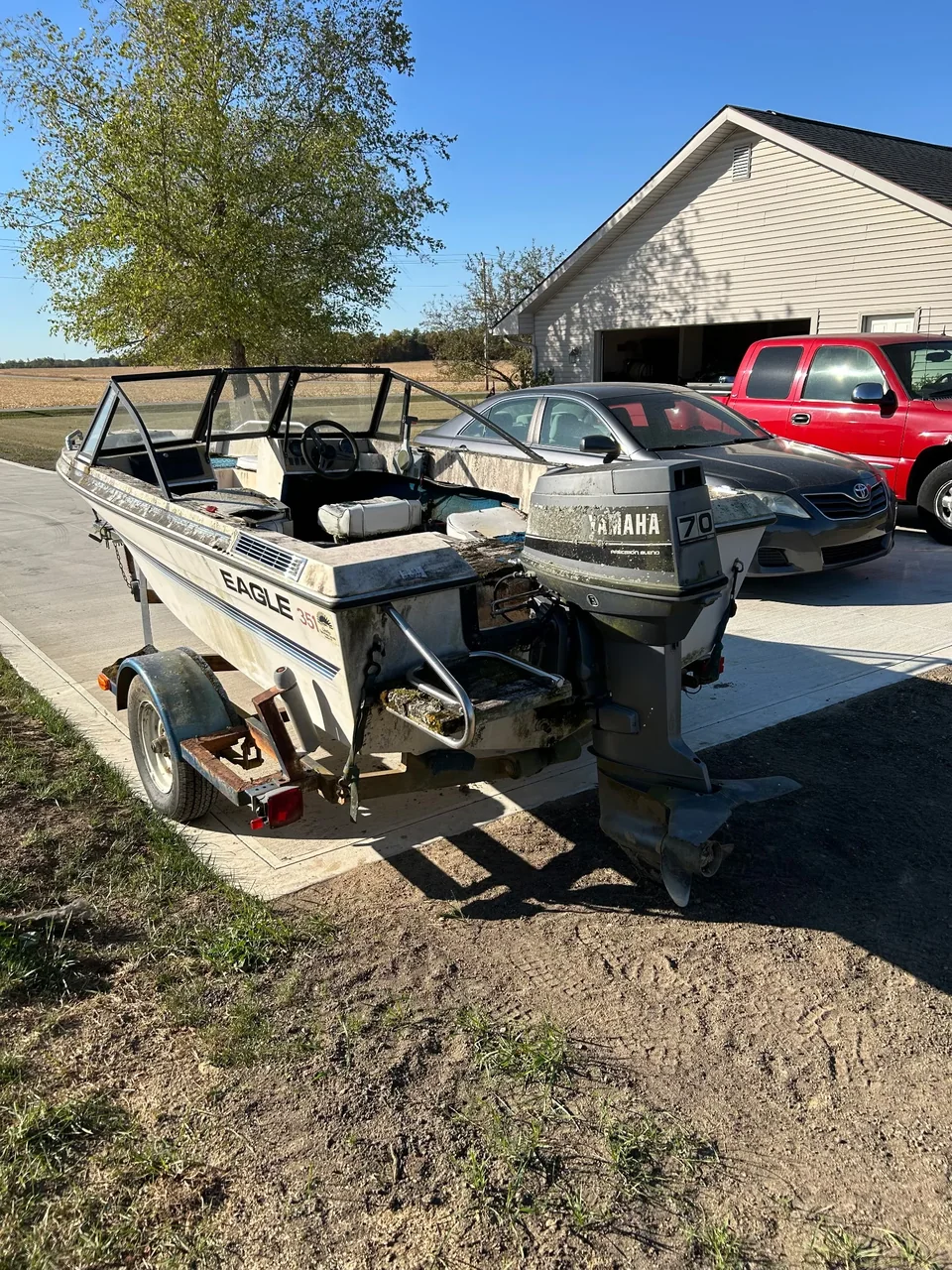


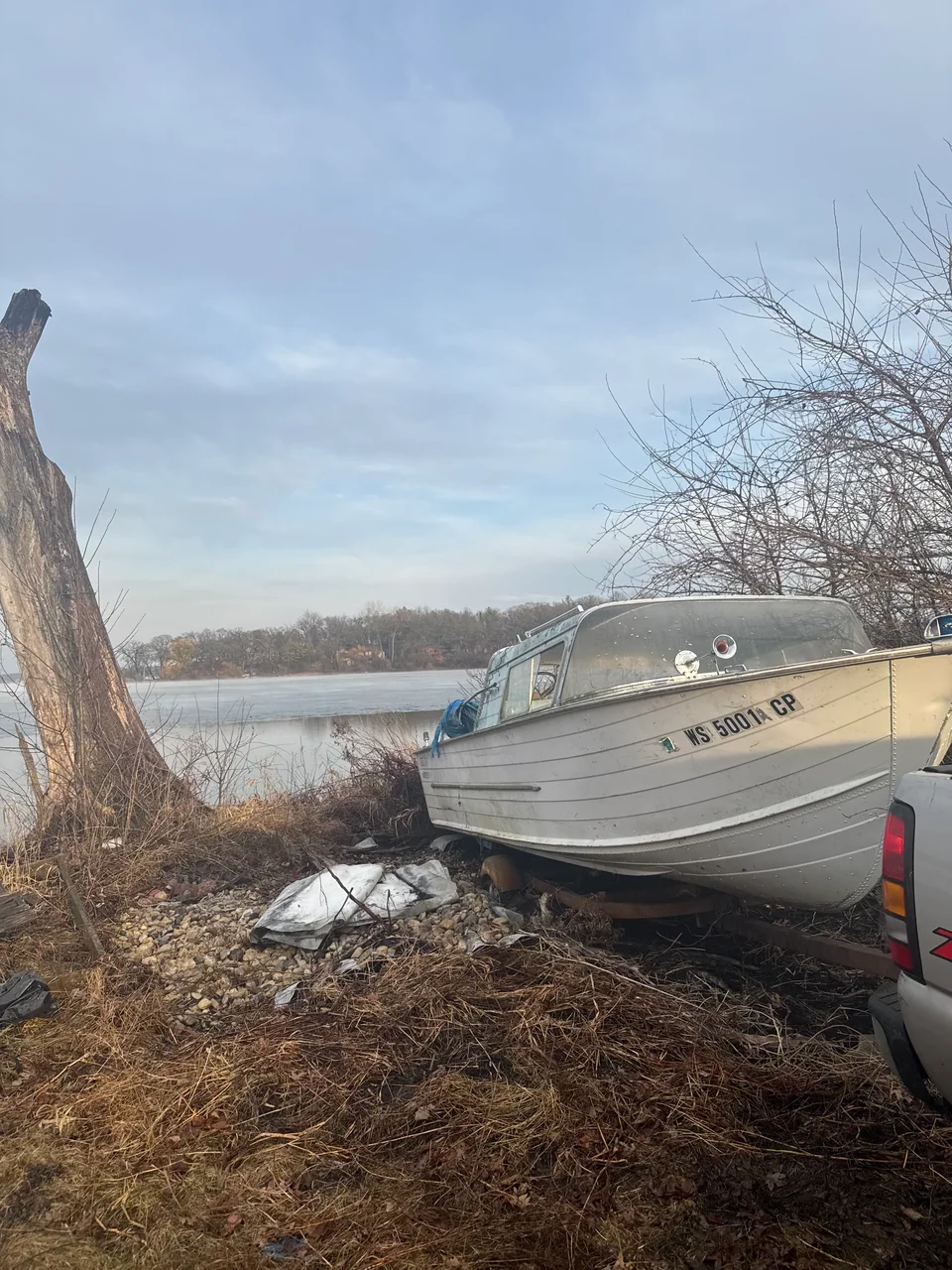
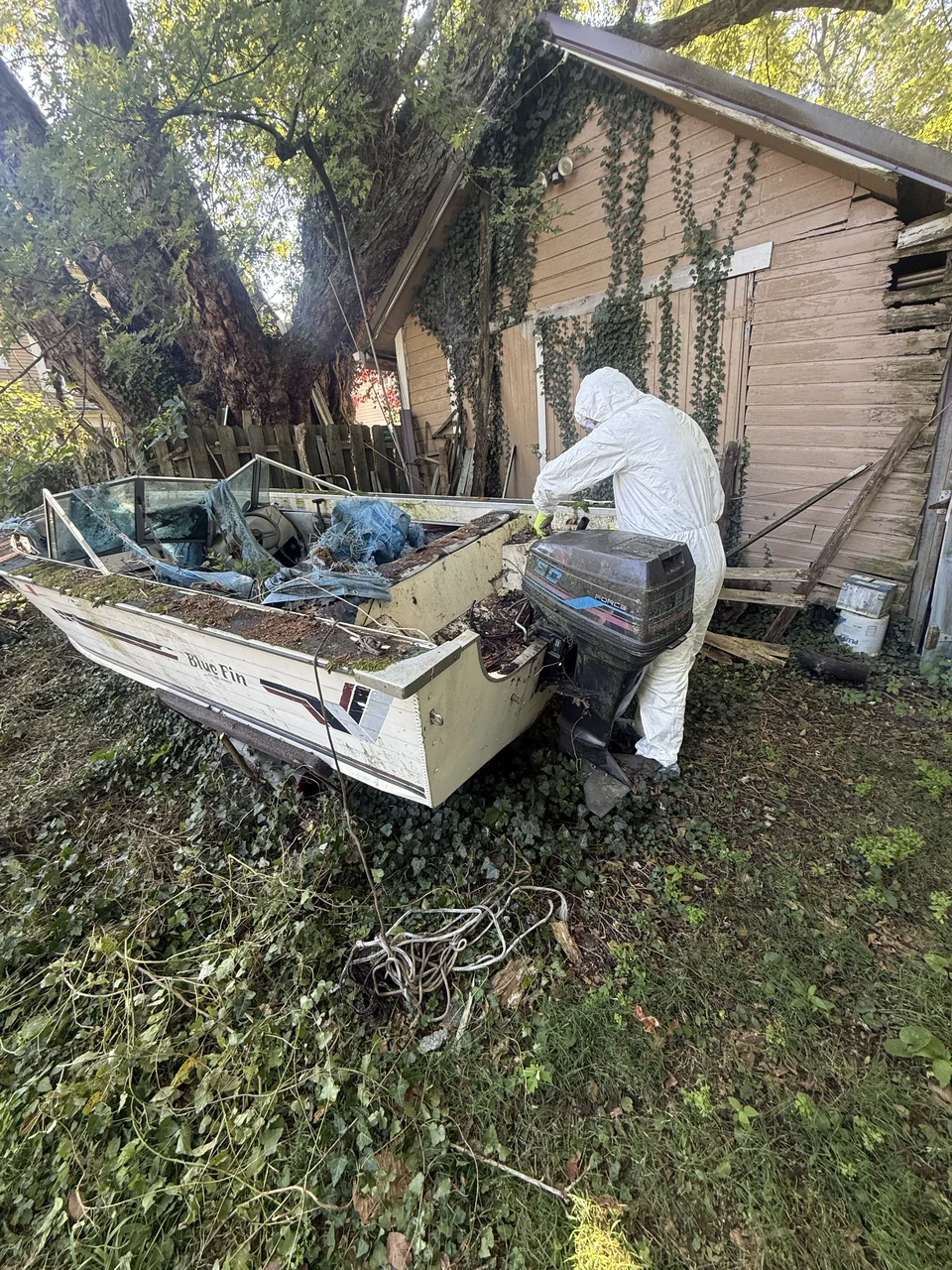

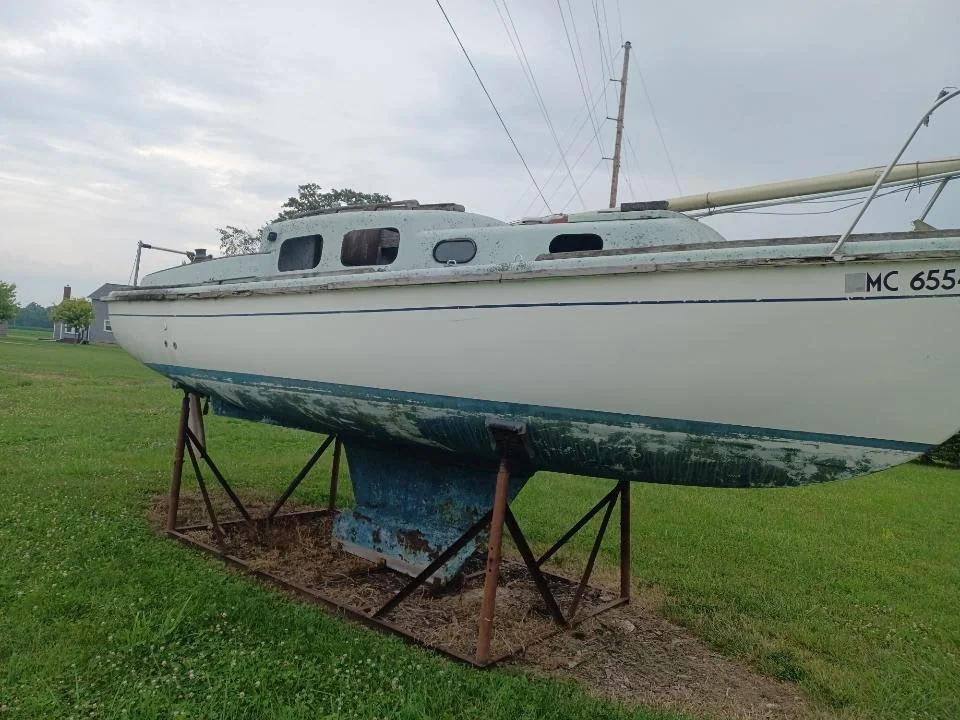
Comparing a marina haul-out with a land-based pickup
Every vessel eventually hits the end of its line, whether age caught up with the transom, a storm cracked the stringers, or keeping up with dock fees stopped making sense. Getting rid of a vessel sitting in the slip or on blocks requires sticking to local environmental laws, keeping the work crew safe, and choosing a path that keeps costs down. Taking a vessel out of the water or off a back lot means picking the right haul-out method, securing a teardown site, and paying attention to what it costs to clear the title and scrap the hull.
What happens to a vessel after its last voyage
Boat disposal starts with looking hard at what you have sitting there, whether it is a liveaboard sailboat, a day cruiser, or a fishing vessel with a flybridge. Deciding if the hull can be saved or needs to be cut up sets the rest of the job in motion. You and the crew at Boat Hauler weigh the cost of repairs against salvage value, structural damage, and haul-out logistics so everyone works from the same facts. Once you decide to clear the vessel out, the crew sets up the timeline, brings in the transport rig, and runs the teardown responsibly.
Arranging site access when you cannot attend
No, you do not need to be on site for your boat disposal job to take place. The crew routinely clears out hulls for sailors who live in Canada, the UK, Argentina, or other overseas spots, as well as owners who are out of state or working their regular shifts. Anyone who cannot be at the dock or driveway when the truck rolls up receives photos showing the hull tied down and loaded for departure.
Where an end-of-life hull goes next
- Preparing a safer hull clearance operation
- Moving a vessel from its berth to a disposal route
- Choosing the destination for an unwanted hull
- Checking the rules that apply to your vessel
- Considering fluids, materials and the surrounding site
- Separating equipment and recoverable materials
- Loading an unwanted hull from a land-based site
- Ways to process a vessel at the end of its service life
- Handling vessel waste through the appropriate channels
- How hull condition and size shape the estimate
- Planning the route from pickup to processing
- Matching the hull to a suitable processing facility
- Planning for the handling of fluids and vessel waste
Preparing a safer hull clearance operation
Safety is paramount during the boat disposal process to prevent accidents, injuries, and environmental incidents.
Boat disposal safety requires clearing out hazardous materials, disconnecting the batteries and fuel lines, and locking down loose gear before moving the hull. Safety gear, barricades, and caution signs keep work crews and bystanders safe while heavy machinery clears the site.
Moving a vessel from its berth to a disposal route
Boat salvage ops from water and complete boat disposal from the water typically involves salvage strategies to retrieve, transport, and dispose of the vessel safely and responsibly.
Boat disposal from water involves bringing in towboats, salvage gear, cranes, or lift bags to raise the hull and bring it to a loading ramp. The crew handles on-water retrieval, stabilizes leaky hulls, performs water towing, and offloads the vessel directly onto transport trailers.
Choosing the destination for an unwanted hull
Boat disposal options from water may include recycling, landfill disposal, or incineration, depending on factors such as the boat’s condition, material composition, and environmental regulations.
Boat disposal options range from metal recycling and hull dismantling to scrap yard processing based on environmental laws and material recovery goals. Salvage yards work to keep re-usable hardware out of landfills while following local waste guidelines.
Checking the rules that apply to your vessel
Boat disposal must comply with local, state, and federal regulations governing waste management, pollution prevention, and environmental protection.
Regulatory compliance means following state and federal rules, securing haul permits, and filing official disposal documentation. Skipping required state transport permits or environmental steps can lead to civil fines and legal claims against the owner on record.
Considering fluids, materials and the surrounding site
Boat disposal has potential environmental effects, particularly if the boat has hazardous materials or pollutants.
Environmental factors in marine salvage require finding and clearing out fuel, engine oils, lead batteries, solvents, and marine debris before moving the vessel. Keeping those fluids contained prevents fuel leaks into public waterways, shore soil, and surrounding wildlife areas.
Separating equipment and recoverable materials
Once the salvaged boat is transported to a disposal site, it may undergo dismantling and recycling to recover valuable materials and components for reuse or recycling.
Dismantling and recycling breaks the vessel down to sort metals, fiberglass, and plastics for commercial reuse or scrap. Clean engines, marine electronics, cleats, and winches get pulled, cleaned up, and resold or repurposed for other marine builds.
Loading an unwanted hull from a land-based site
Transportation to Disposal Site: Boat disposal from land involves transporting the vessel from its current location to a designated disposal site or facility.
Boat disposal from land uses hydraulic trailers, flatbed transport trucks, and specialized winches to pull a hull out of a yard or storage site. The gear required depends on vessel weight, overall length, how tight the clearance is, and local road transport regulations.
Ways to process a vessel at the end of its service life
Once the boat reaches the disposal site, it may undergo different disposal methods, including dismantling, recycling, landfill disposal, or repurposing, depending on environmental regulations and waste management practices.
Disposal methods depend on waste management facilities breaking down the vessel frame while sticking to modern environmental codes. These processes focus on sorting scrap metals, cutting down bulk waste, and keeping hazardous residue out of soil.
Handling vessel waste through the appropriate channels
Boat disposal from land requires compliance with environmental regulations governing waste management, recycling, and pollution prevention.
Environmental compliance with boat disposal requires controlling hazardous liquids, pulling batteries, and collecting toxins so they do not pollute local ecosystems. Staying compliant involves logging hazardous waste disposal, filing site permits, and protecting public waterways during the extraction.
How hull condition and size shape the estimate
Boat length, beam and condition are taken into consideration when pricing out disposal fees.
Vessel size, total weight, and structural condition drive the overall cost of a haul-out, with broad hulls or rotted wood requiring extra labor and heavy equipment. Waterlogged stringers, fiberglass delamination, and built-up hazardous fluids require custom rigging and extra yard work to tear down safely.
Planning the route from pickup to processing
Transportation logistics play a base role in determining disposal costs, with factors such as distance, accessibility, and transportation methods influencing overall expenses.
Transportation logistics rely on highway permits, pilot cars, and specialized trailers when hauling wide or heavy hulls over long distances. Remote boat ramps, dirt paths, or overhead tree limbs add steps to the move and change the transport plan.
Matching the hull to a suitable processing facility
The chosen disposal method and facilities can impact disposal costs, with options such as recycling, landfill disposal, or incineration varying in cost depending on environmental regulations, waste management practices, and facility fees.
Disposal facilities charge varying fees depending on whether the vessel gets chopped for scrap processing or taken to a regional landfill. Metal recycling centers often cut down total costs, whereas landfill disposal charges tipping fees based on total tonnage.
Planning for the handling of fluids and vessel waste
Compliance with environmental regulations and permitting requirements can add to disposal costs, with expenses associated with obtaining permits, conducting environmental assessments, and implementing pollution control measures.
Environmental compliance requirements add direct costs for handling hazardous waste, draining tanks, and turning in legal paperwork. Setting aside money for fluid disposal and battery handling keeps the haul legal and limits long-term liability for the owner.
Explore the practical steps in vessel clearance
- From the first request to the cleared site
- Fast Vessel collection
- When vessel collection becomes the practical next step
- Material recovery and reuse for retired vessels
- Boat Removal: States, Cities and Areas We Serve
- How vessel clearance differs from household waste pickup
- Arrange a crew for vessel collection
Ask for a project-specific pickup estimate
Connect with the Boat Hauler team
Email Us Directly: boathaulerllc@gmail.com
Call us today to get your boat removal on the schedule.
Get on the Schedule Online
Request Pickup OnlineFind a region for your vessel pickup
Check our locations list to see where our crew handles boat removal along the coast.
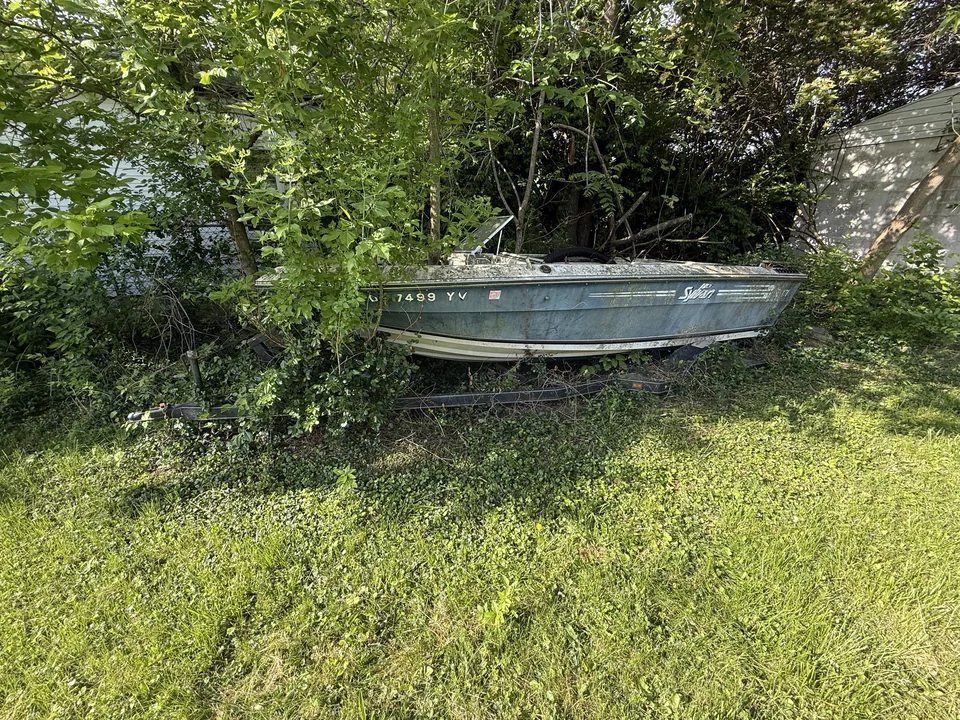


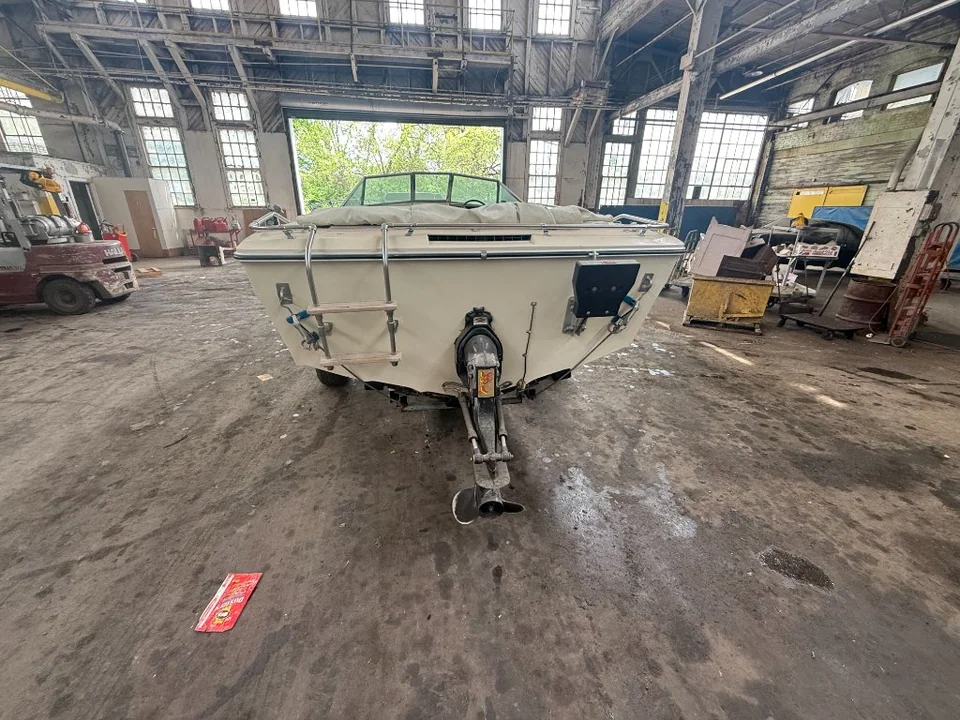

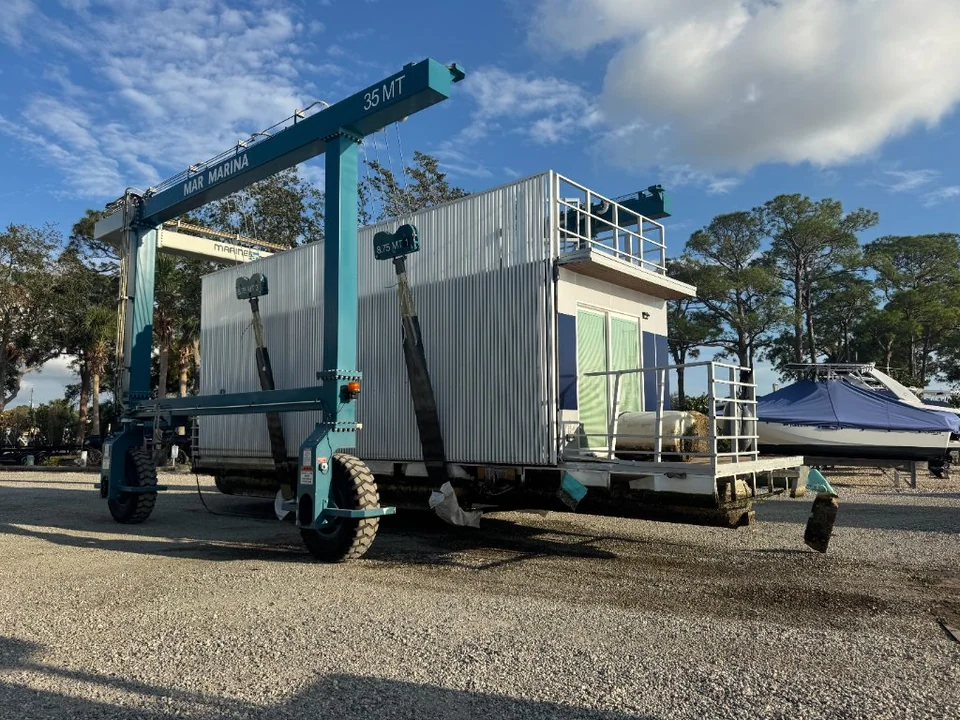
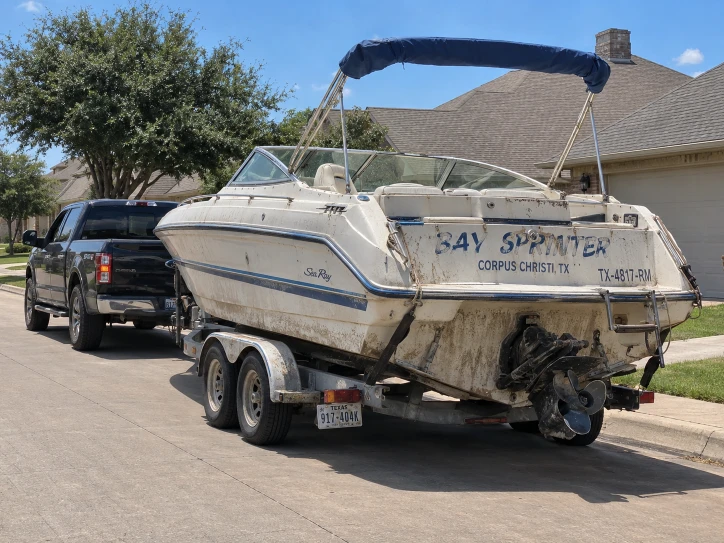

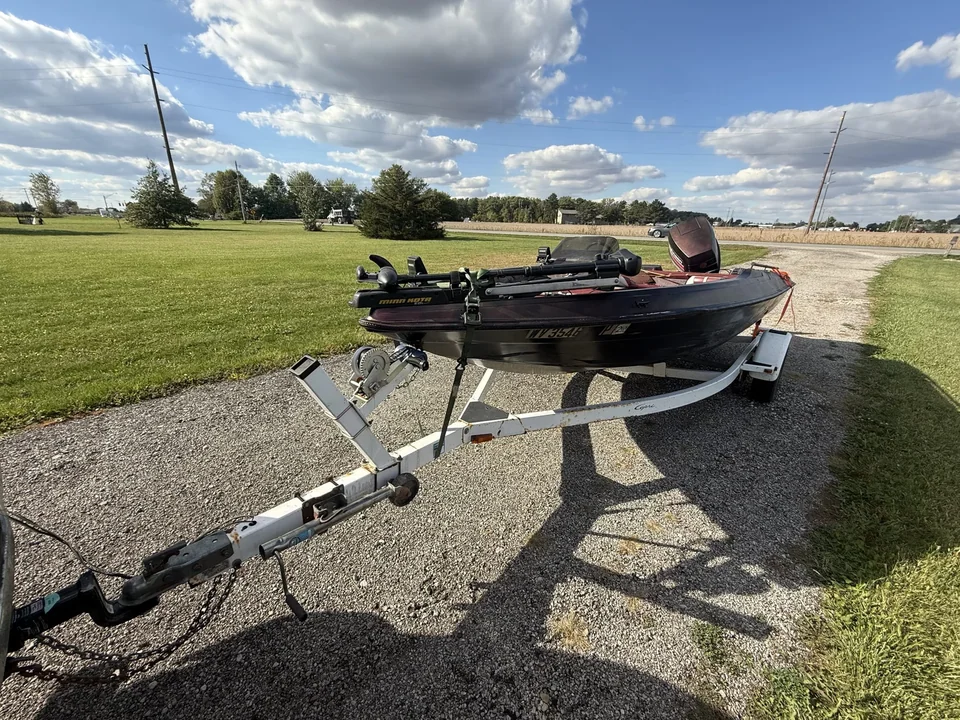


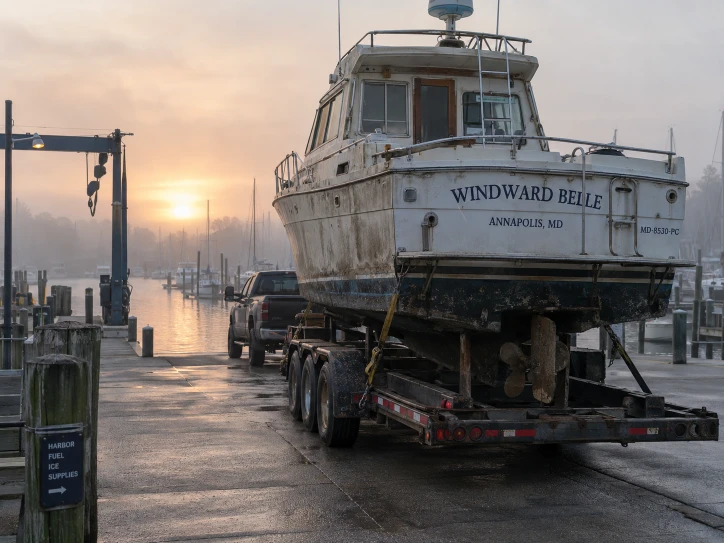
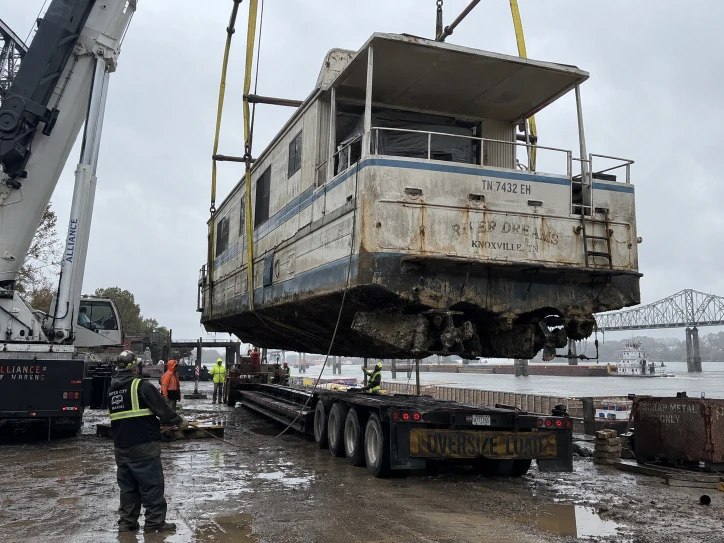

Boats and handling equipment in pictures
Check out our Gallery of Junk Boats, Disposed, Salvaged & Recycled to see our past boat removal work.
Detroit, Michigan hull dismantling estimatesDetroit, Michigan Boat RemovalVessel collection support in Danville, CaliforniaDanville, California Boat RemovalVessel recovery in Discovery Bay, CaliforniaDiscovery Bay, California Boat Removal